

Skip to content

Cart

Your cart is empty

Micro inverters

Micro inverters convert the DC power of your solar panels into alternating current (AC) that powers your appliances and devices. It’s a key component of any solar kit and smart solar arrays as well. Micro inverters offer the advantage over bigger inverters to make your solar installation more flexible and resilient, maximizing each panel’s productivity at any moment.

Sort by

5 products

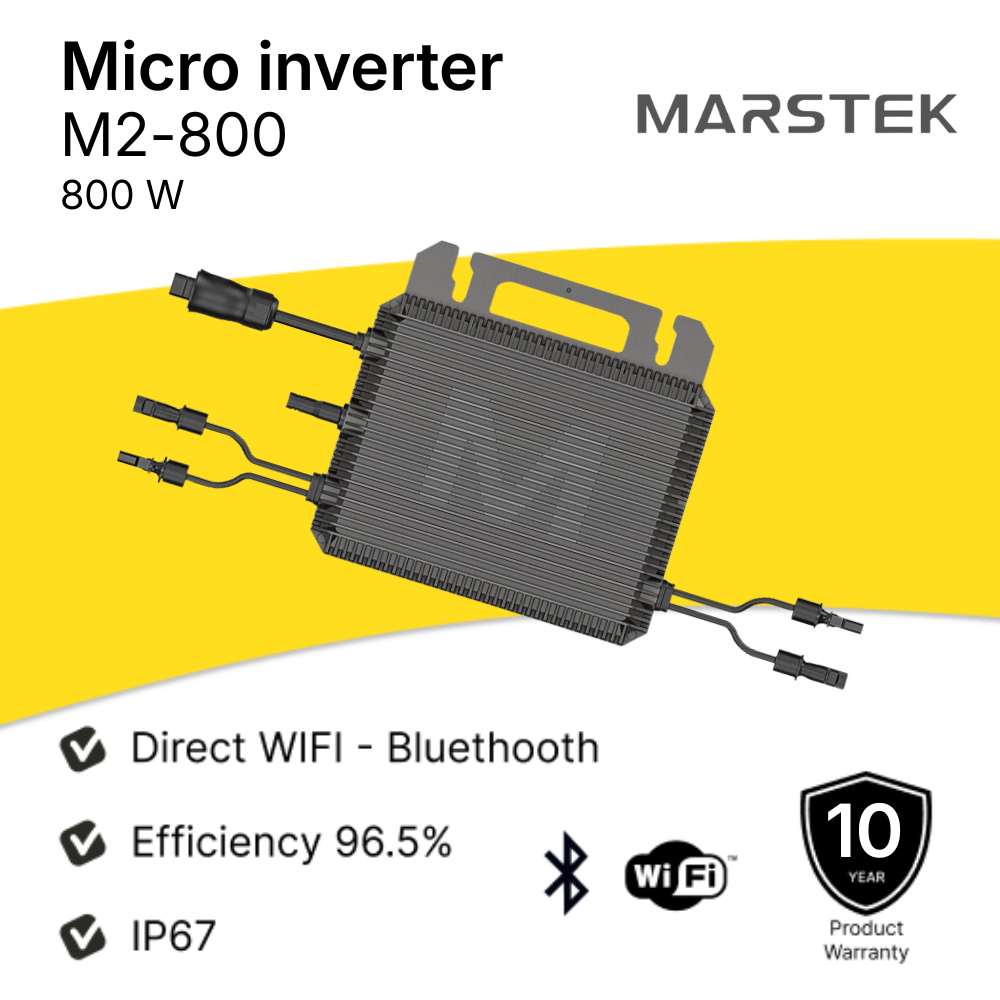
Save €89,00Marstek M2-800 micro inverter with features listed on a yellow and white background
Marstek M2-800 Micro Inverter (with 5 m cable) Sale price€99,00 Regular price€188,00
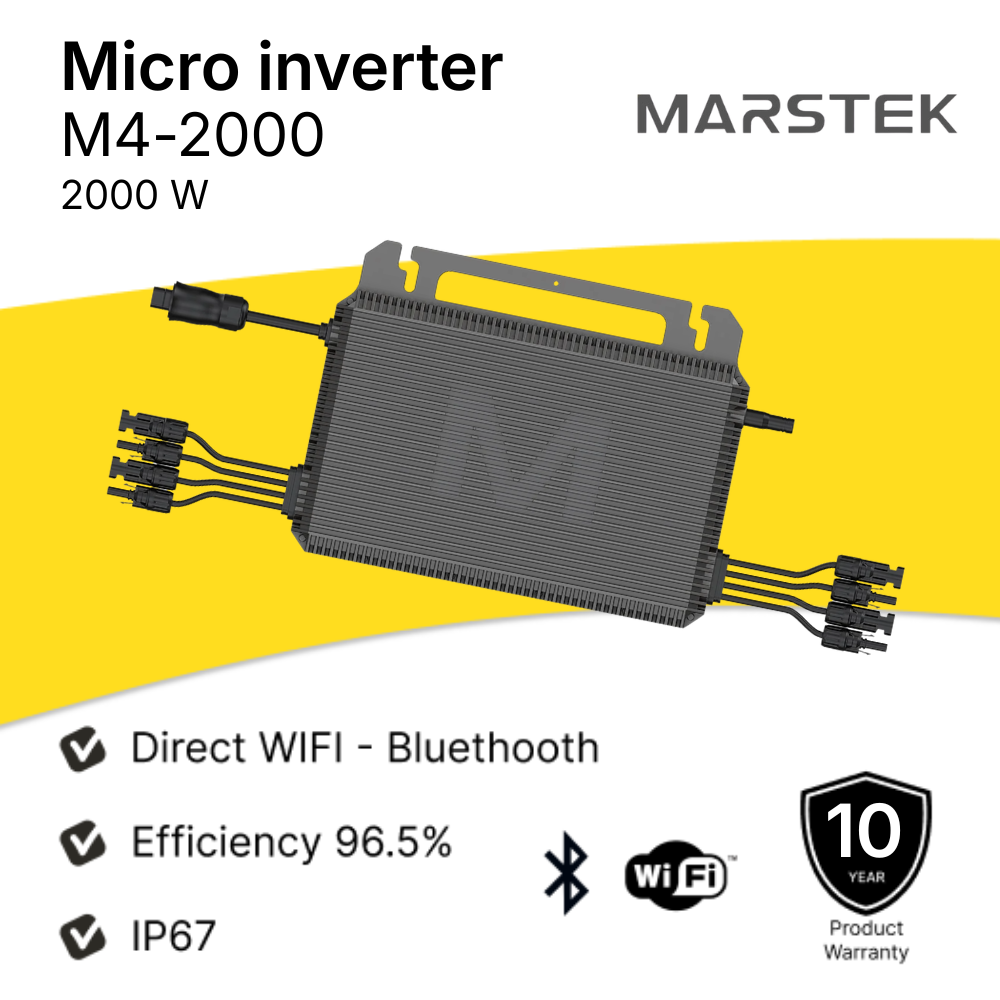
Save €139,00Marstek micro inverter M4-2000 with features listed on a yellow and white background
Marstek M4-2000 Micro Inverter (with 5 m cable) Sale price€199,00 Regular price€338,00
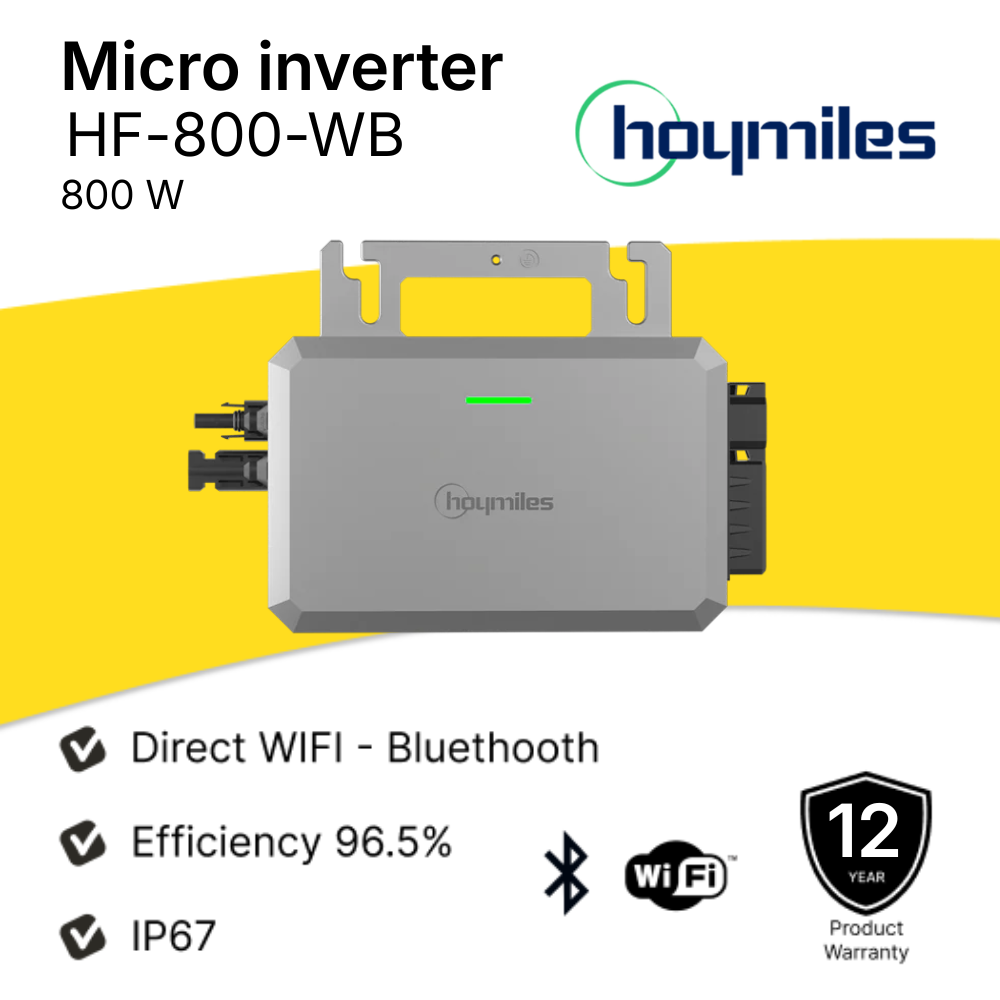
Save €40,00Hoymiles HF-800-WB Micro Inverter
Hoymiles HF-800-WB Micro Inverter Sale price€129,00 Regular price€169,00
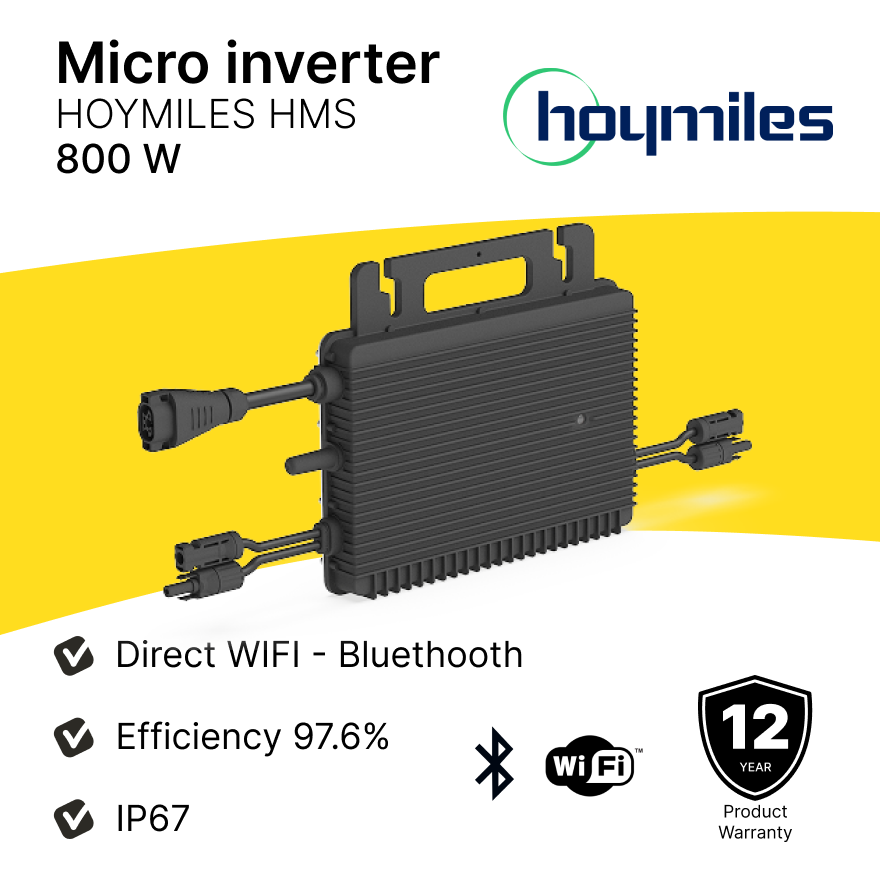
On saleTSUN MS800
Hoymiles HMS-800W-2T Micro Inverter Sale priceFrom €139,00 Regular price€219,00
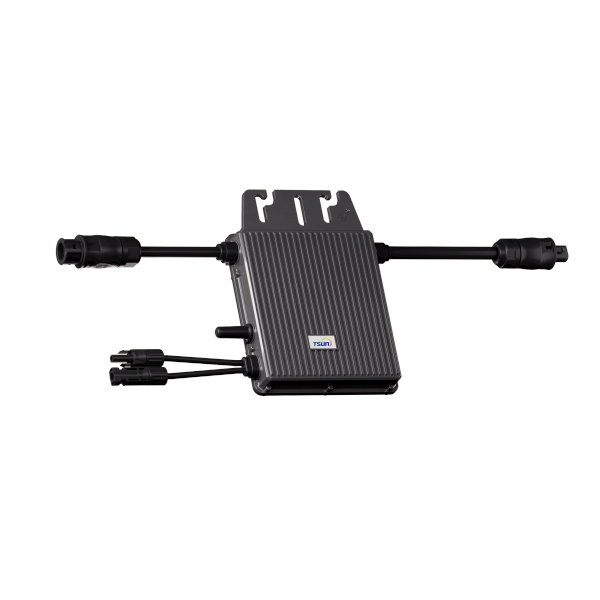
On saleTSUN MS300 image
Tsun MS300 Daisy Chain Micro Inverter Sale priceFrom €99,00 Regular price€139,00
Frequently asked questions

Solar Kits

How much electricity does a plugin solar kit produce?

How much electricity does a plugin solar kit produce?

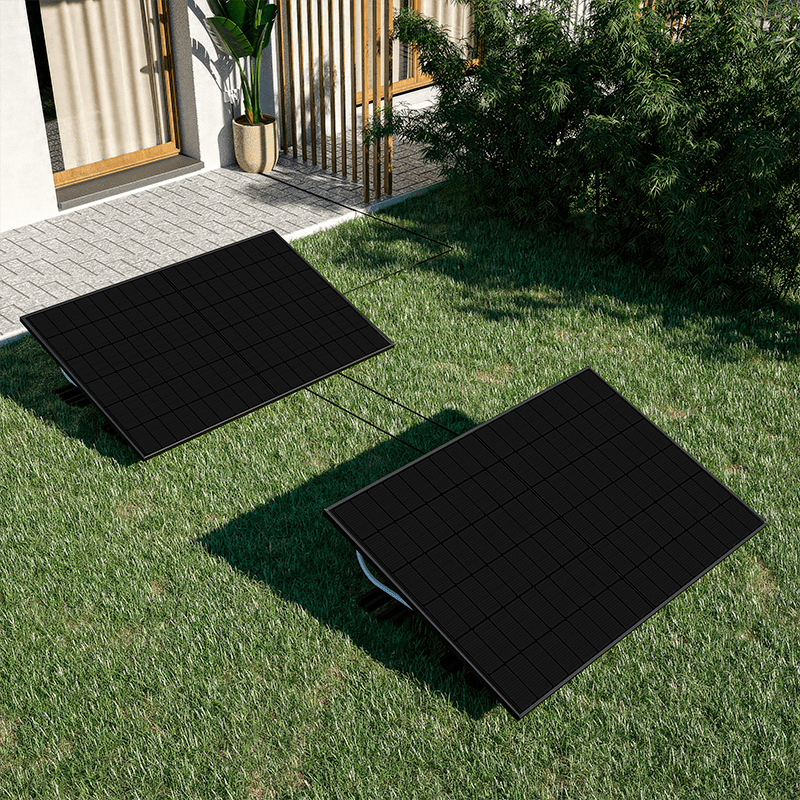
In short: a Performance 800 plugin solar kit with 2 solar panels produces up to 1.600 kWh/year in southern Europe.

Kits with just 1 panel produce up to 800 kWh/year, kits with 4 panels about 3.200 kWh/year. Total production depends on several factors, like

  • location
  • orientation
  • angle (or azimuth)
  • the type of kit you choose

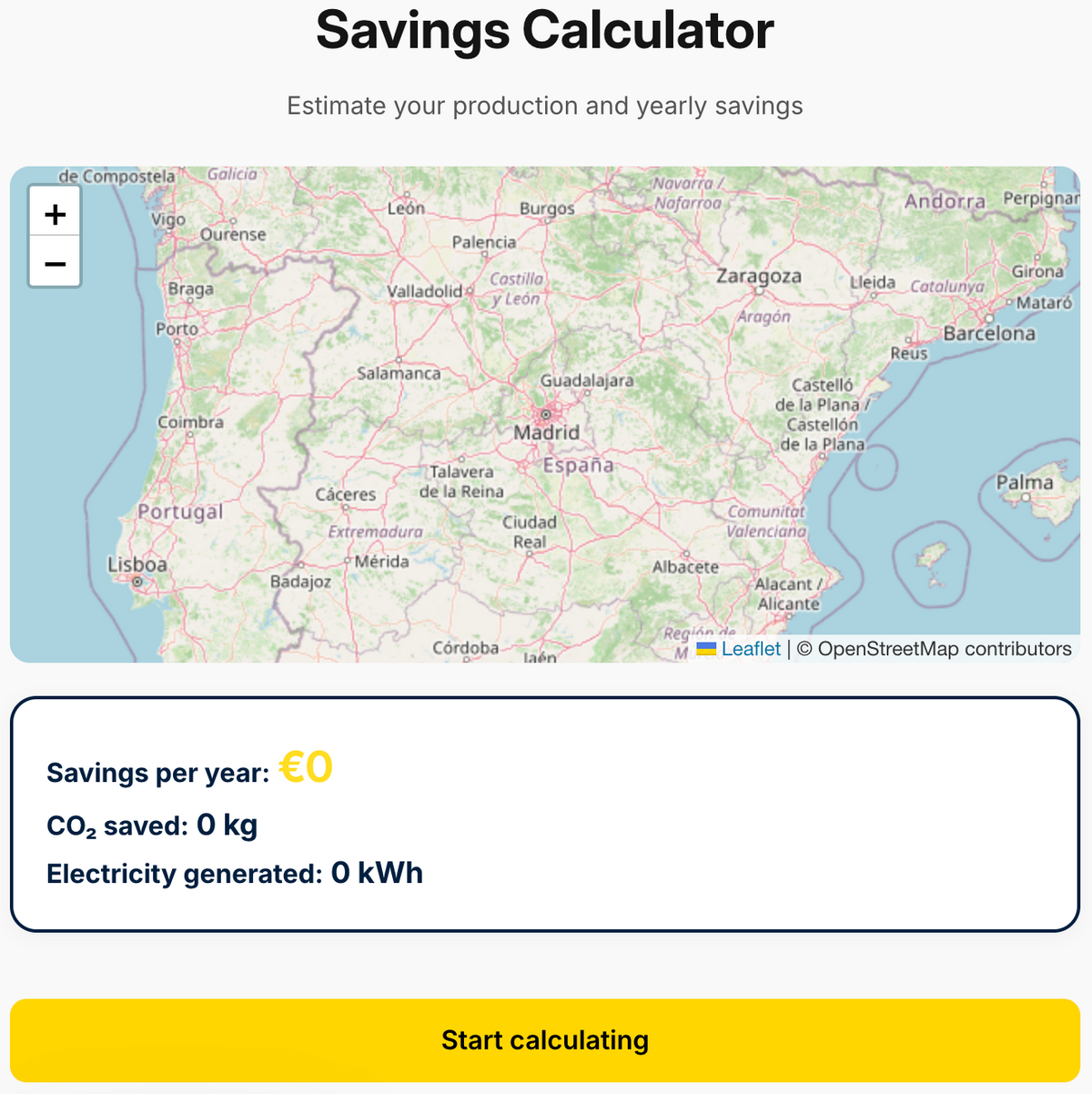
Our Savings Calculator helps you find the exact answer for your installation.

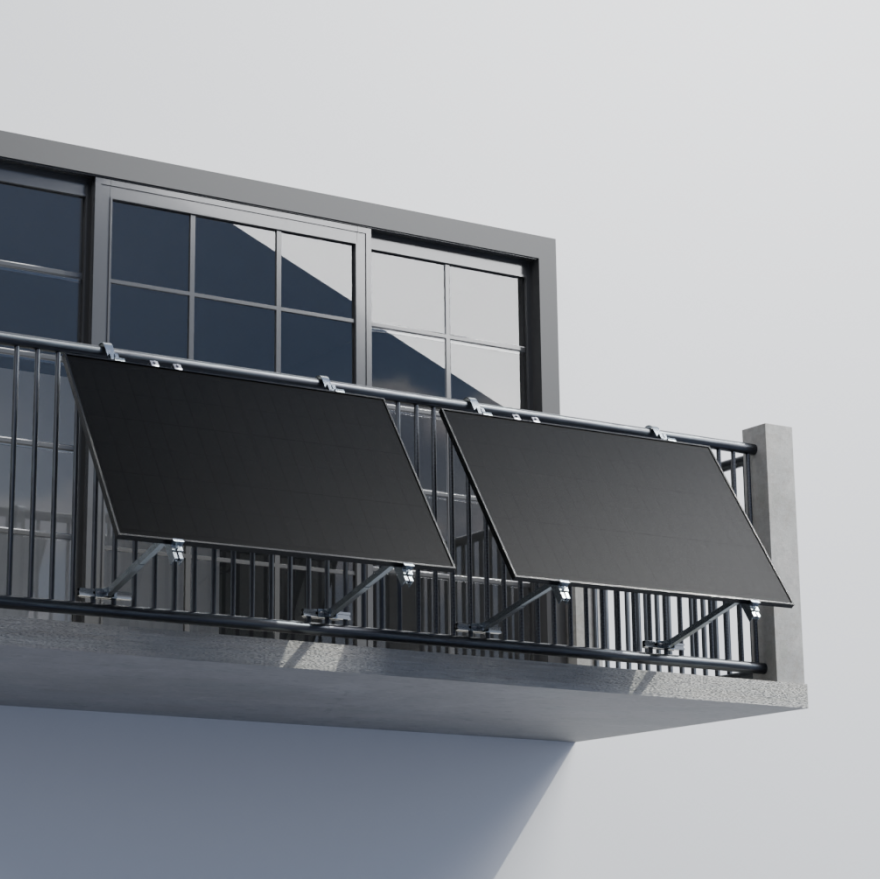
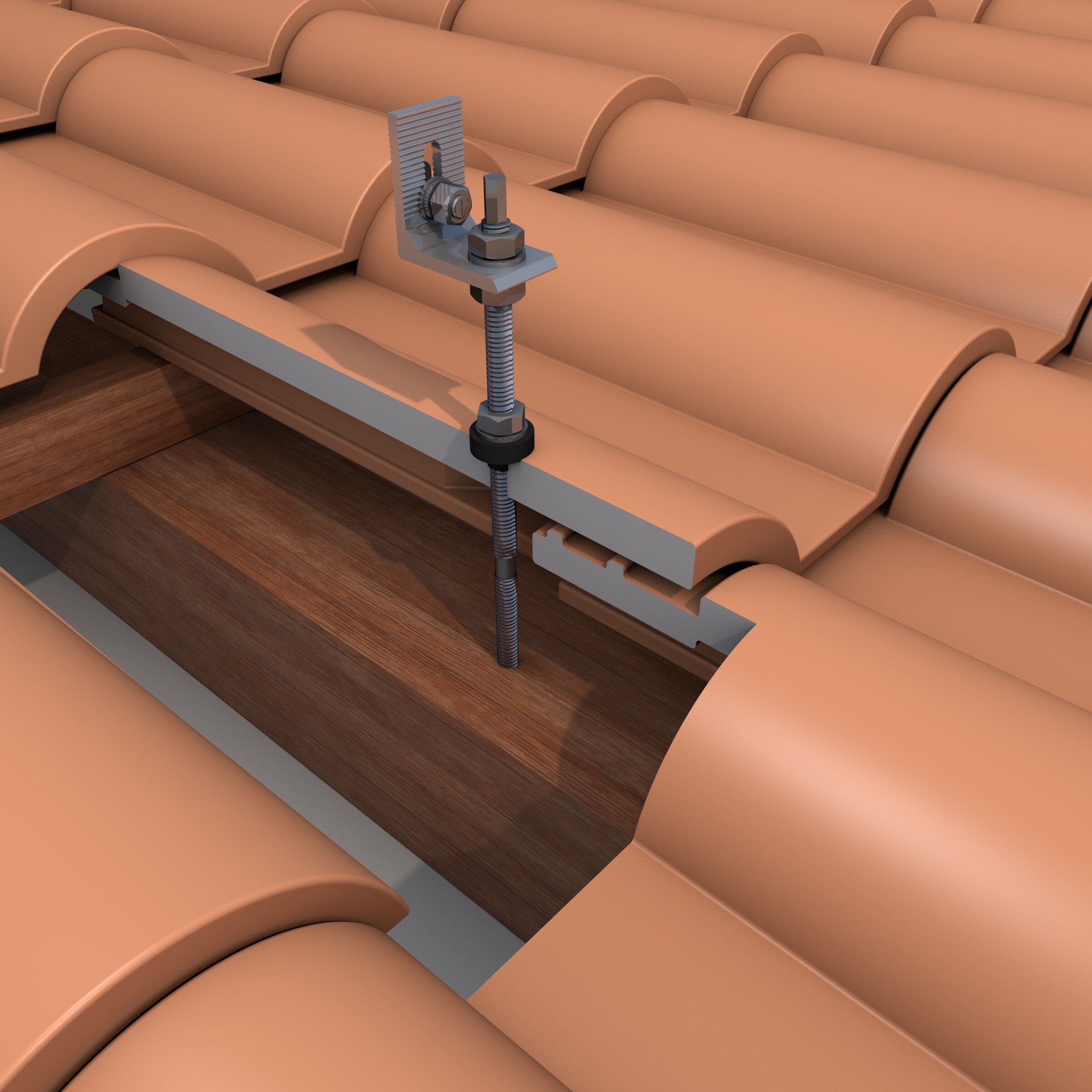
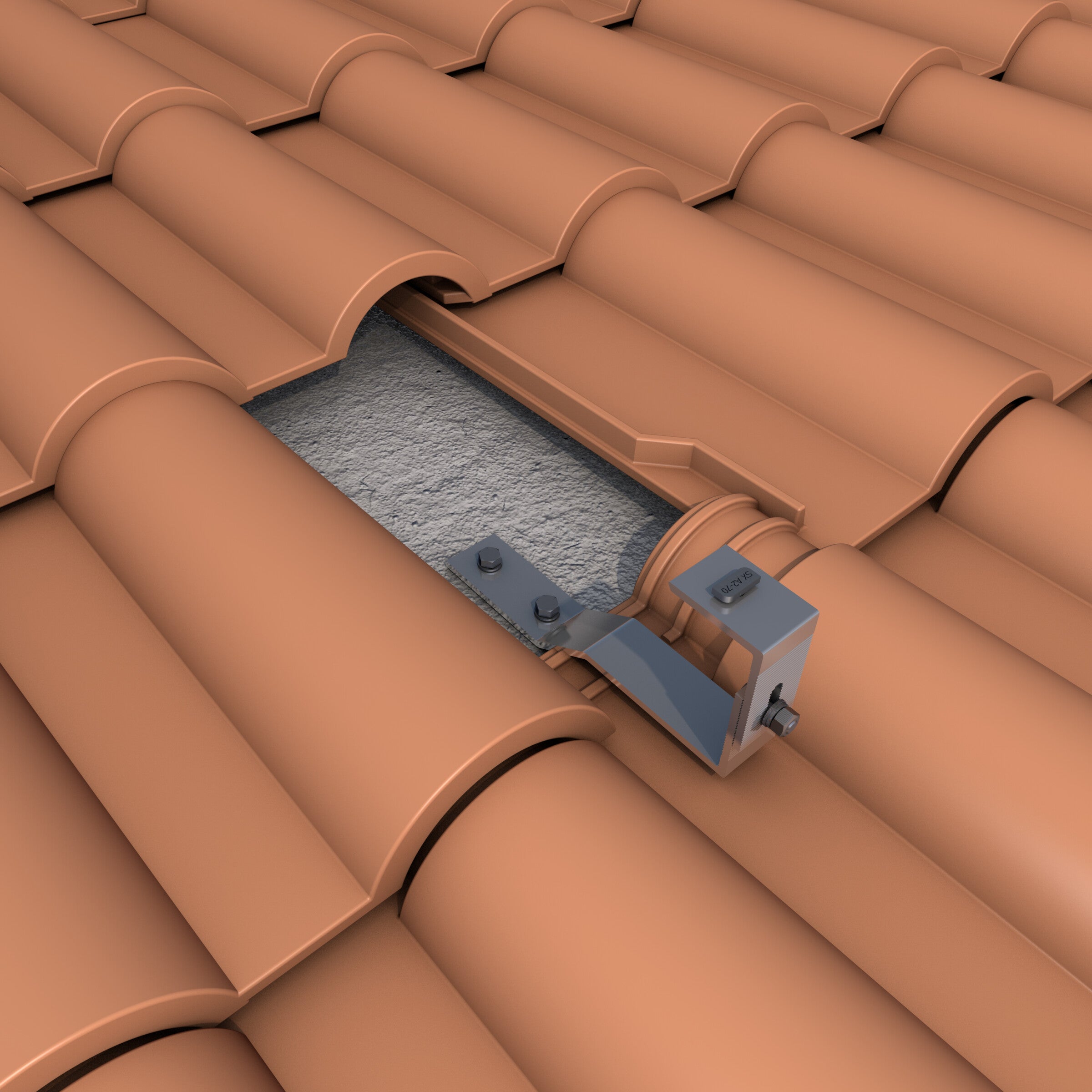
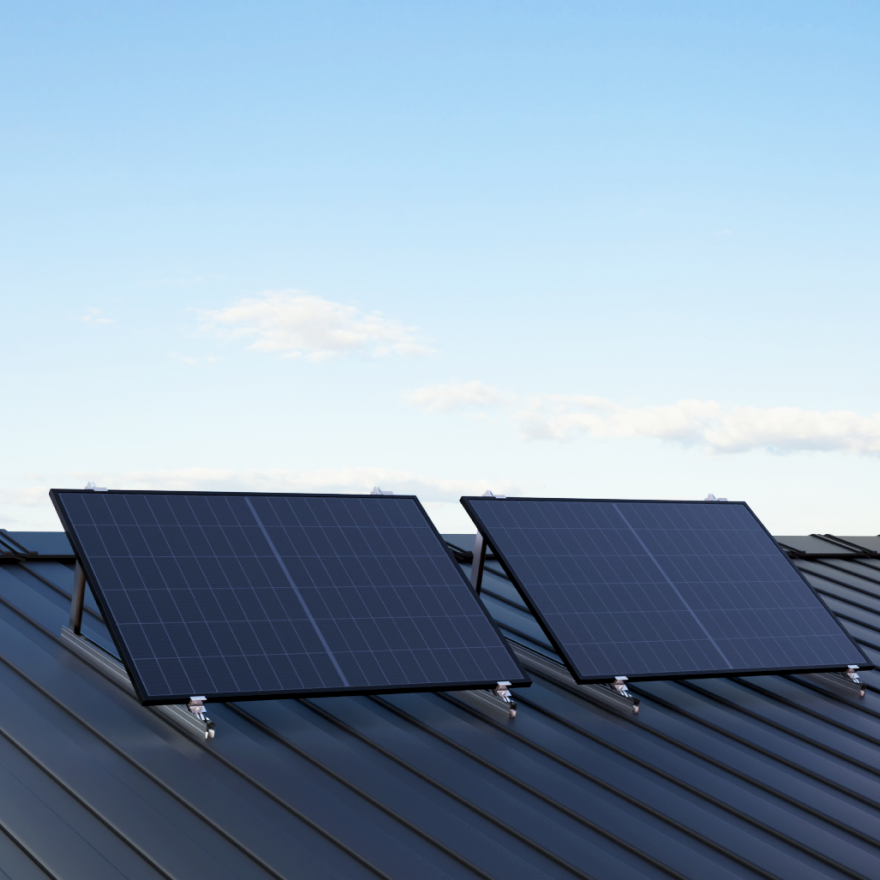
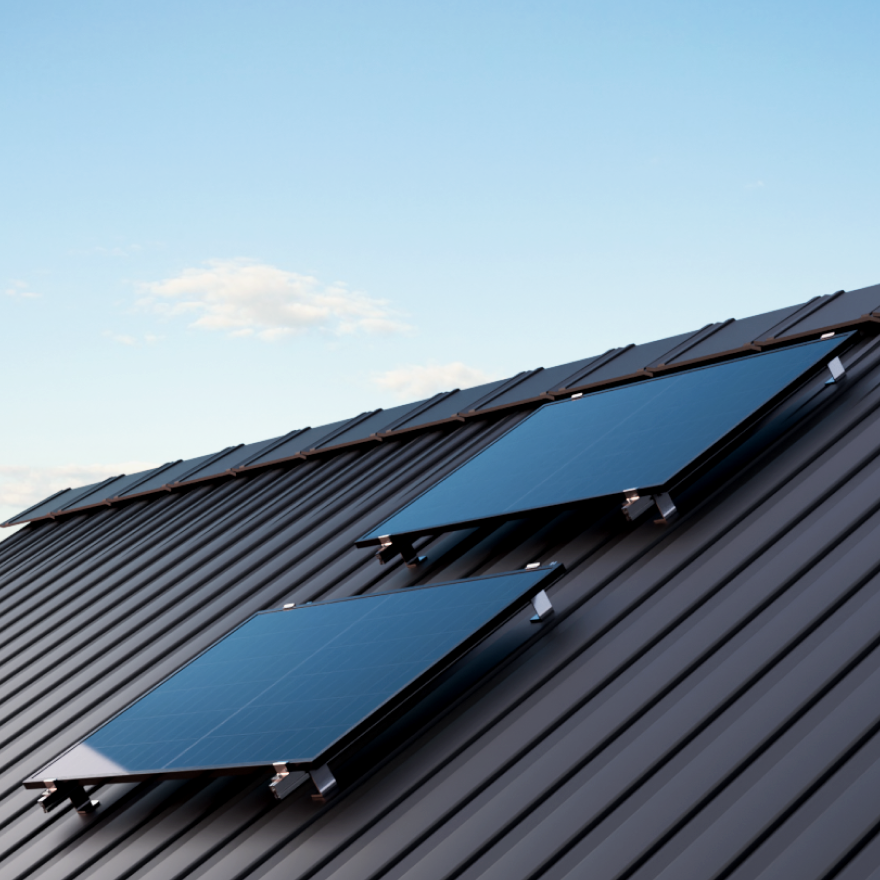
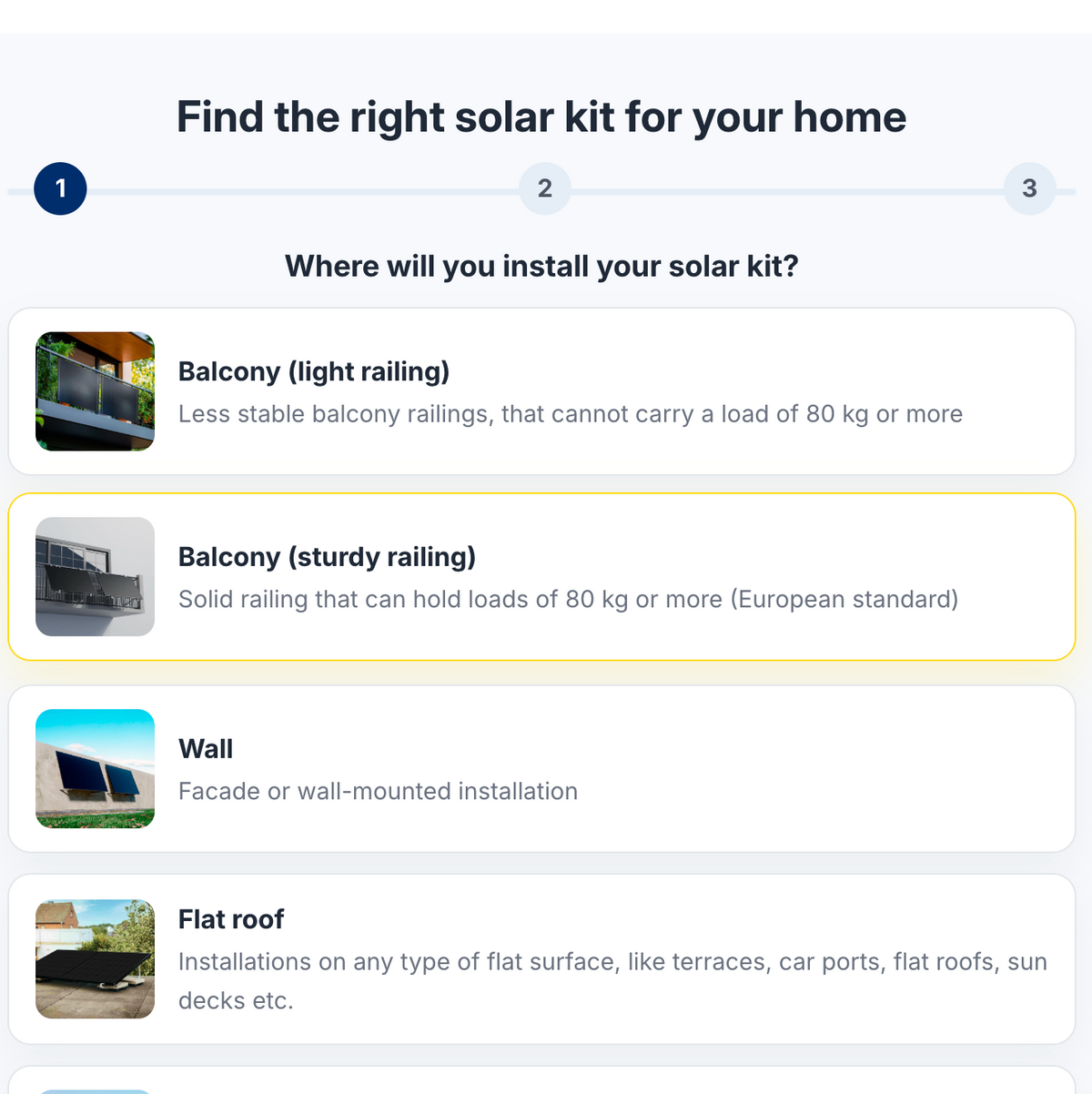
When considering the installation of a plugin solar kit, look for the place in your household with the most unimpeded sunshine hours. This can be your terrace or balcony, or a pergola, or a wall. We also have solutions for tile roofs or metal roofs.

How much can I save on my power bill?

How much can I save on my power bill?

In short: depending on your consumption, potentially all of it.

A plugin solar kit produces solar energy for self consumption at home. The energy it produces is used directly by your household appliances. This avoids you having to buy that energy from your power company, lowering your power bills.

Your savings are therefore determined by

  • how much energy your kit produces
  • how much you pay your power company per kWh, with all extra costs and taxes included

For example, if your kit produces 1.600 kWh per year and you pay €0,25/kWh to your power company, you save €400 per year (1.600 kWh x €0,25/kWh = €400). You can calculate how much you can save at your home address with our Savings Calculator or check the European Commission’s PV GIS.

How much the savings are on your overall electricity bill depends on how much you consume in total.

  • If your yearly consumption is 1.500 kWh, then you’ll save over 100% of your power consumption.
  • If you use 5.000 kWh, it will be just 32%.

The average household in Southern Europe consumes about 3.200 kWh/year. A 800 W plugin solar kit can save half of that.

In any case, some savings are better than no savings at all. Every kWh you can produce yourself is a kWh you don’t have to buy from the grid, saving you money every day.

Do I consume all the electricity my kit produces?

Do I consume all the electricity my kit produces?

In short: probably most of the time, yes.

Your solar kit’s production of electricity is almost never the exact same as the consumption of your household.

If you consume more than you produce, then 100% of your production is used on the spot, maximizing the economic profitability of your kit as you take full advantage of the savings.

If you produce more than you consume, you have several options:

  • Add storage with a smart meter, and store all excess energy during sunshine hours, to use it when the sun doesn't shine. Our Smart kits include battery storage.
  • Feed the surplus energy into the power grid. In Spain you can certify your kit with us, and get compensated for your surplus by your power company.
  • Install a “zero discharge” device or “smart meter” on your distribution panel, that lowers your kit’s production and avoids any spillover of excess electricity to the power grid. This is the least attractive option, since you incur the cost of the smart meter and installation, and get no benefit from it.

If you feed a lot of energy to the power network, for example because you’re not at home during the day or use your home only sporadically, a storage system is probably the smartest solution. Most storage systems are modular, so you can start small and upgrade as you see the need for it.