






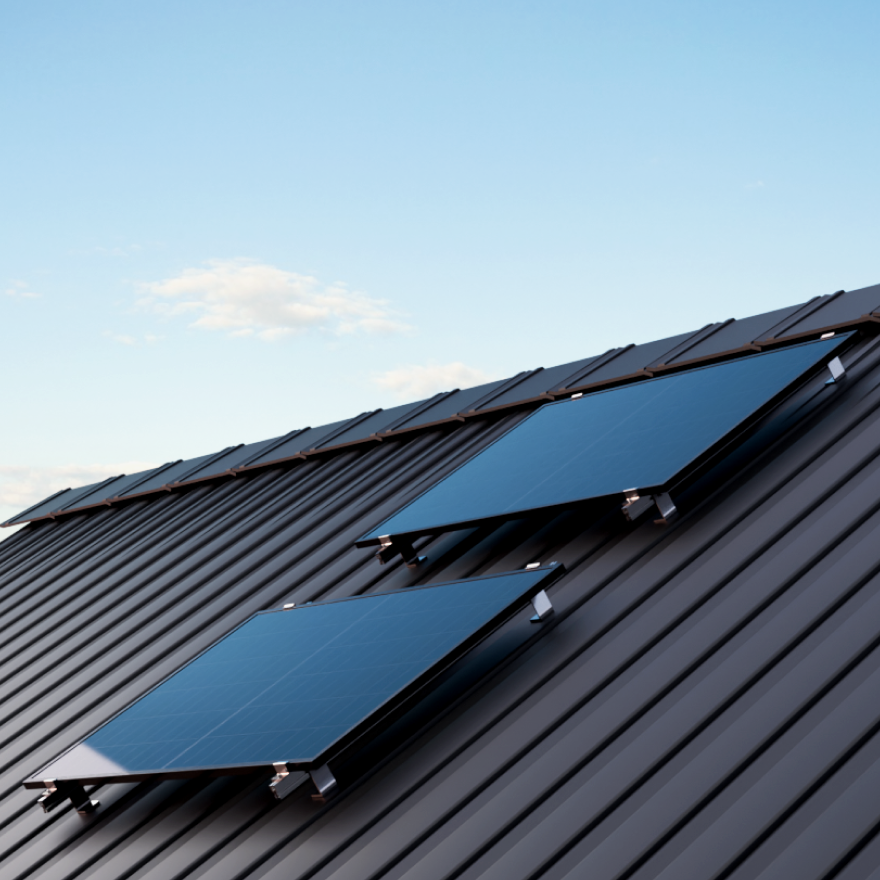


Why add a battery to your balcony solar kit?
A balcony solar kit produces most of its power around midday, when many homes use little electricity. Without a battery, the surplus flows into the grid, often for little or no payment. A battery stores it so you can use it in the evening and at night, which raises the share of your own solar power that you actually use.
What is in a kit with battery?
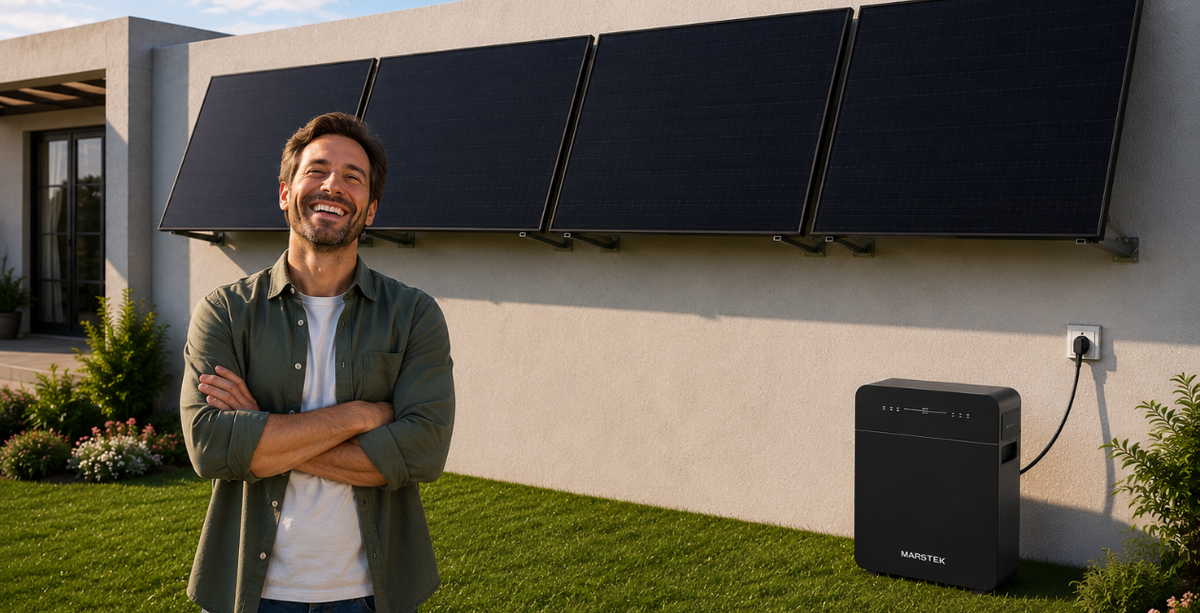
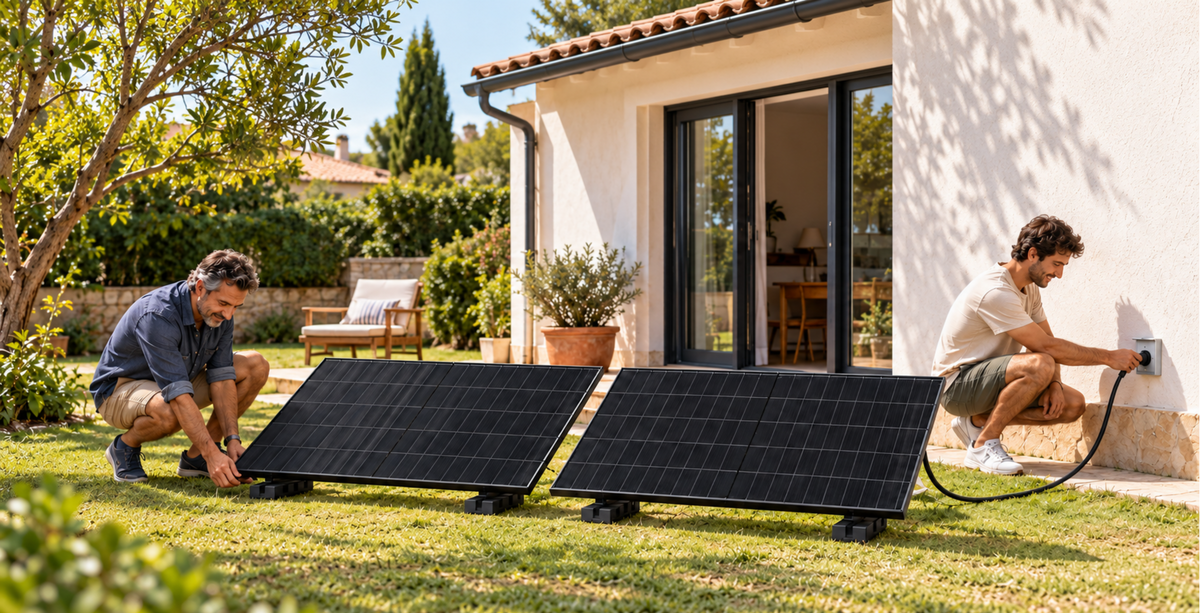
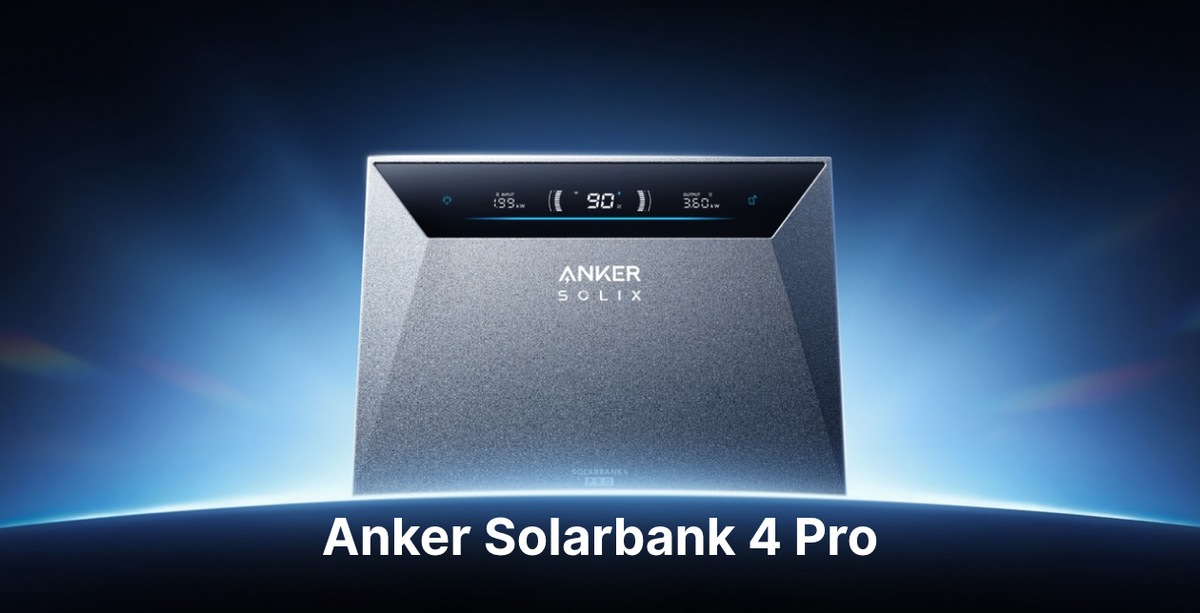
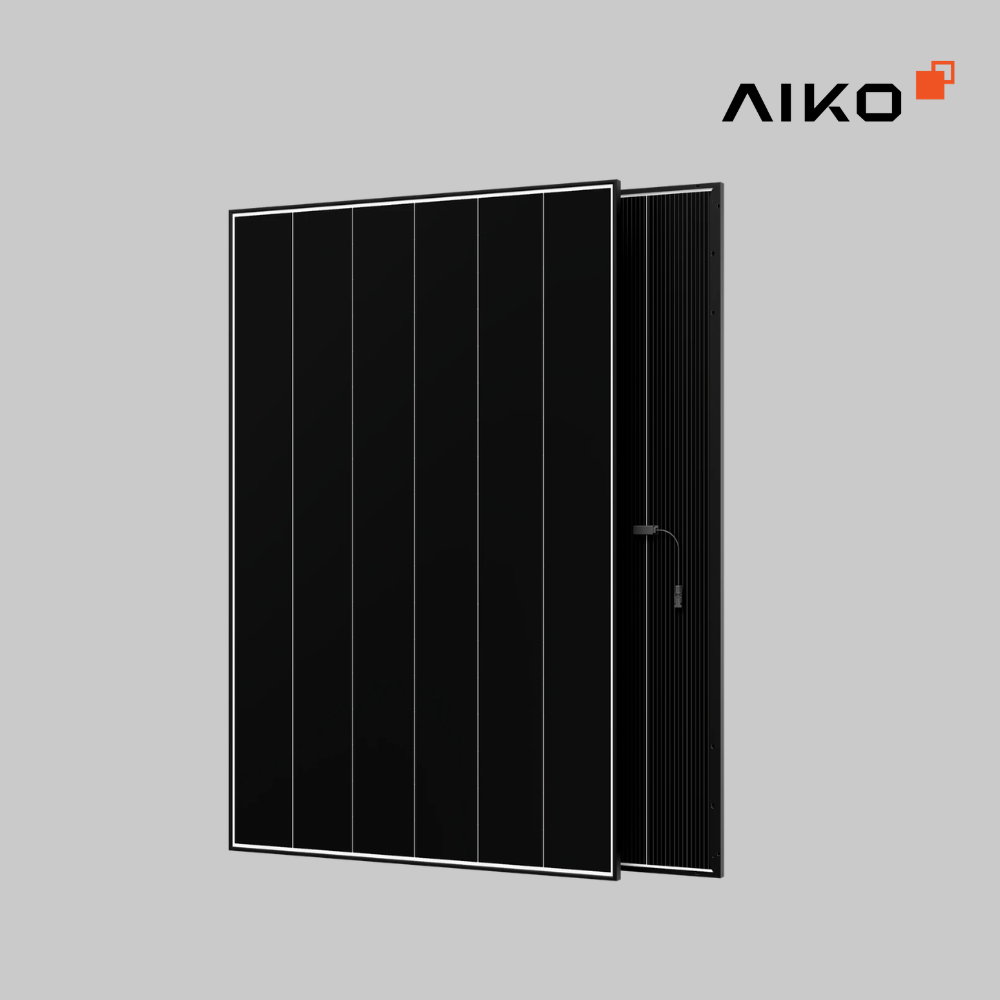
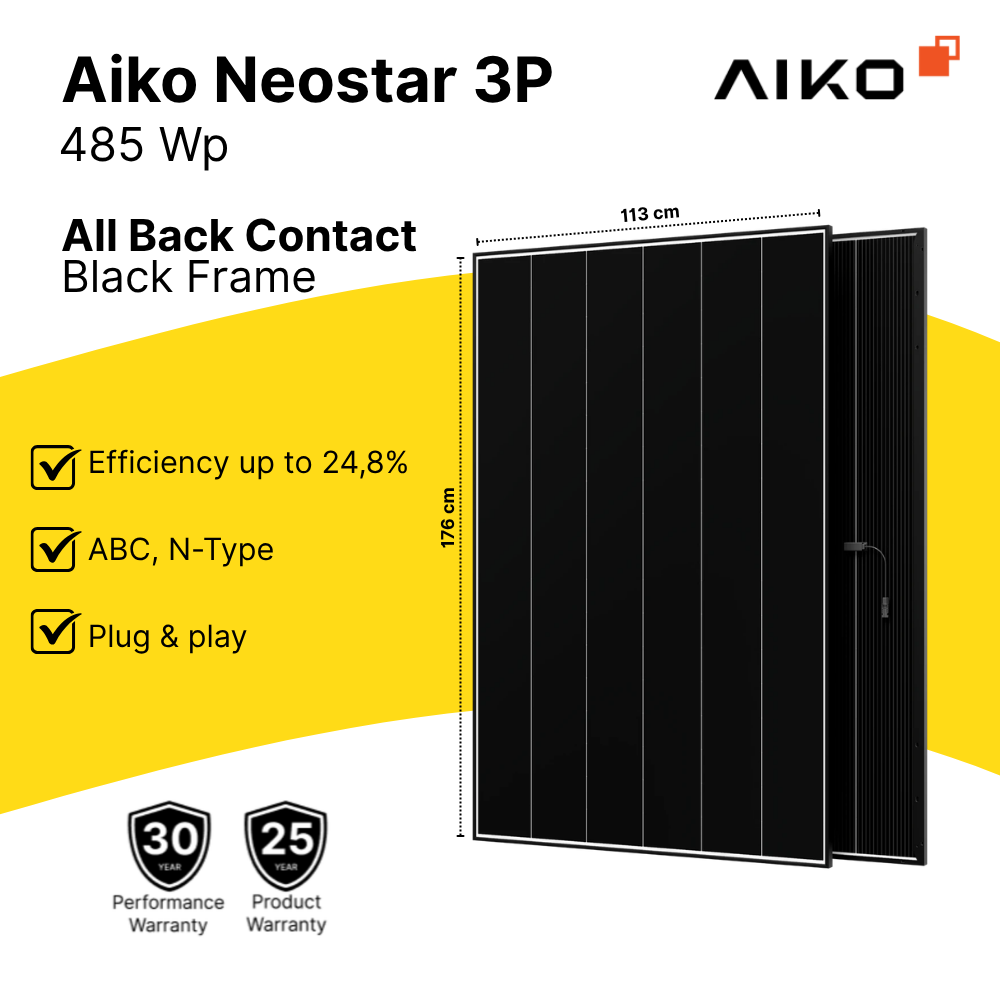
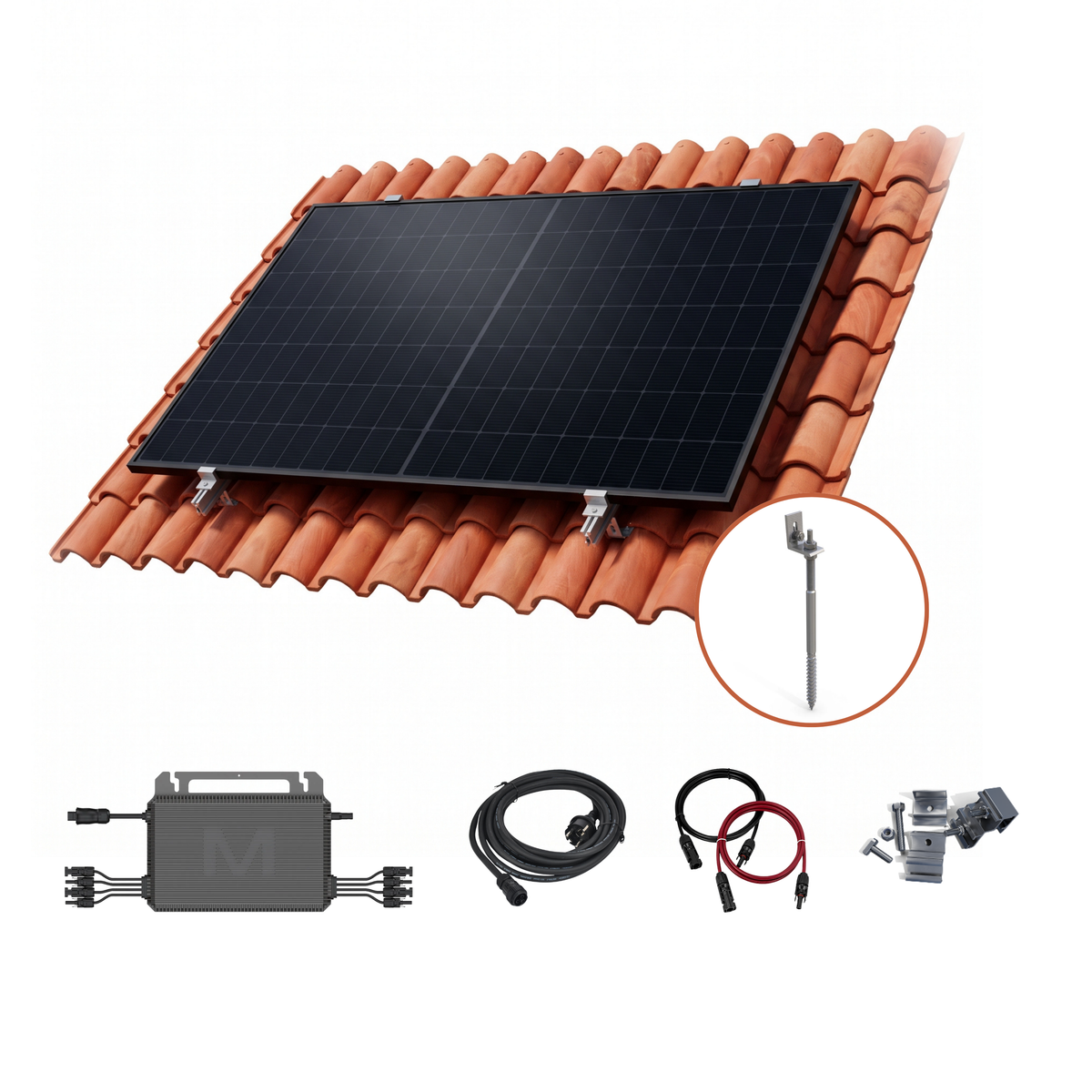
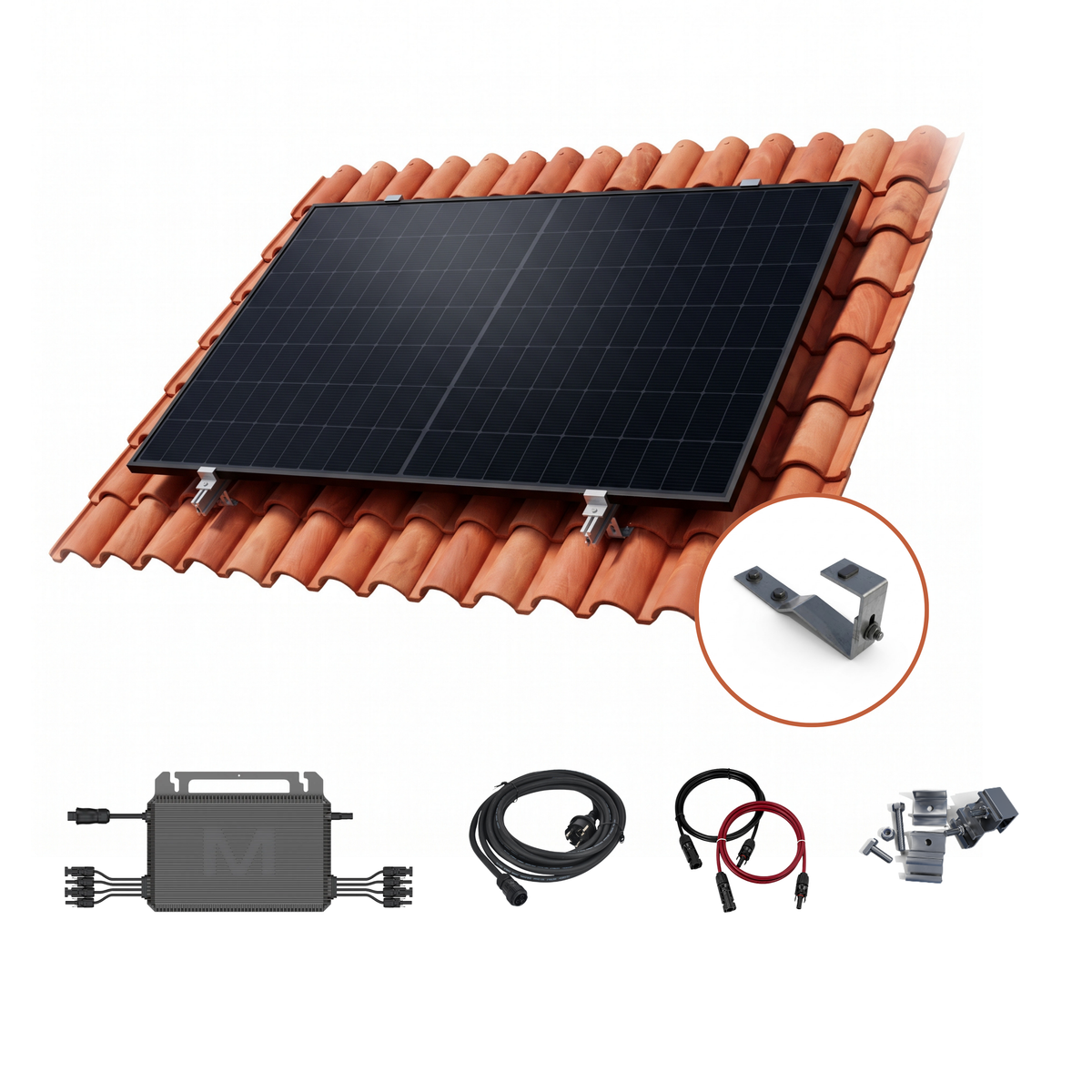
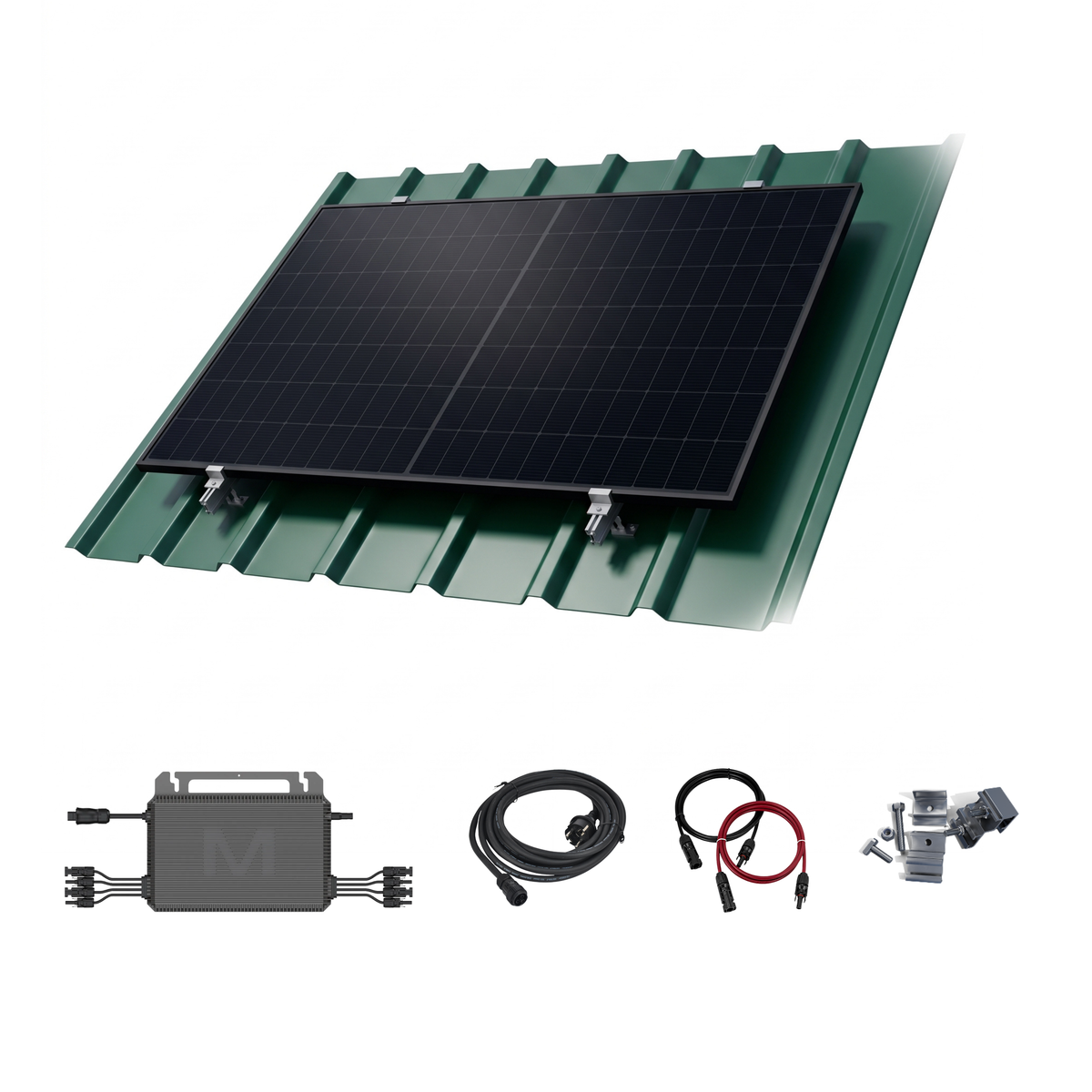
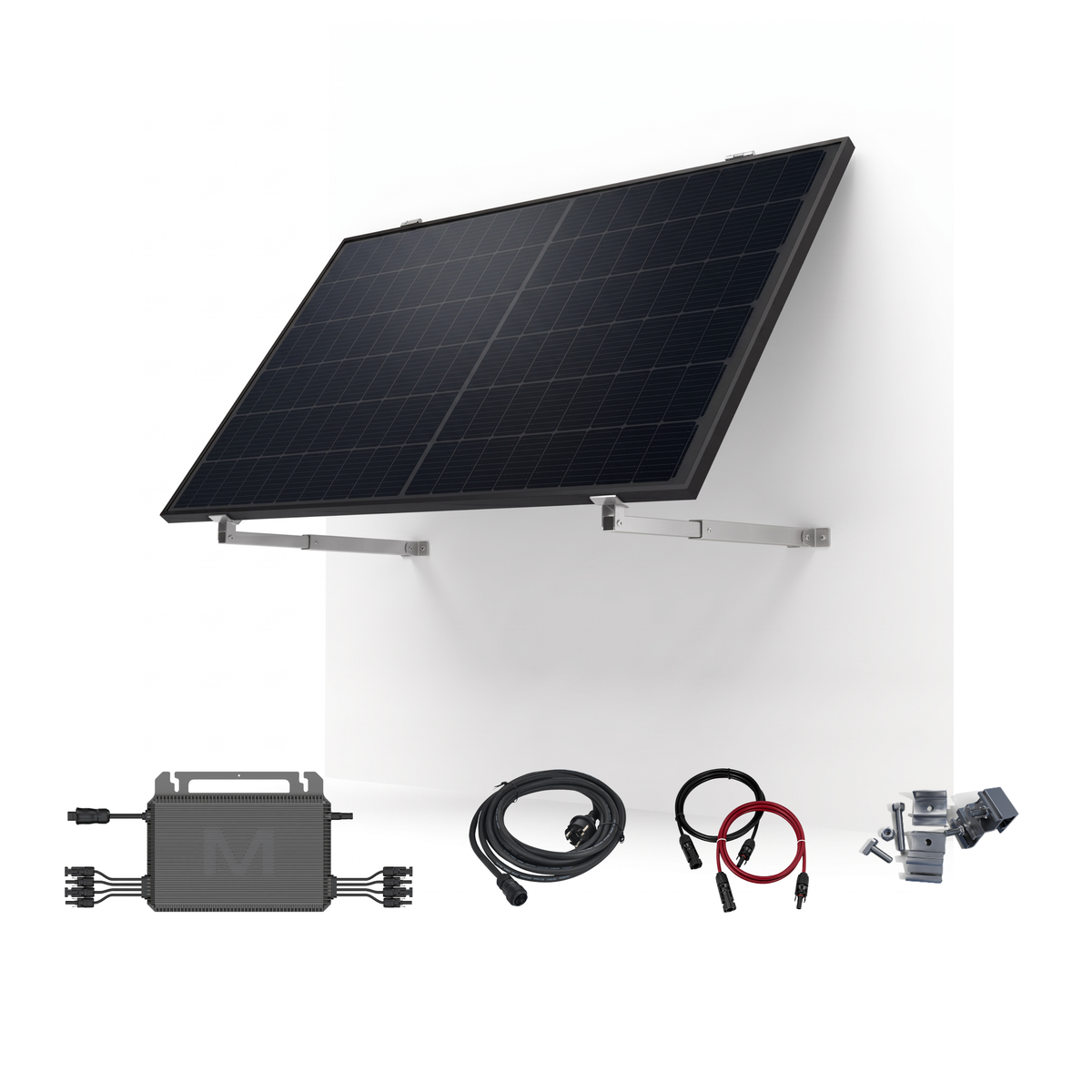
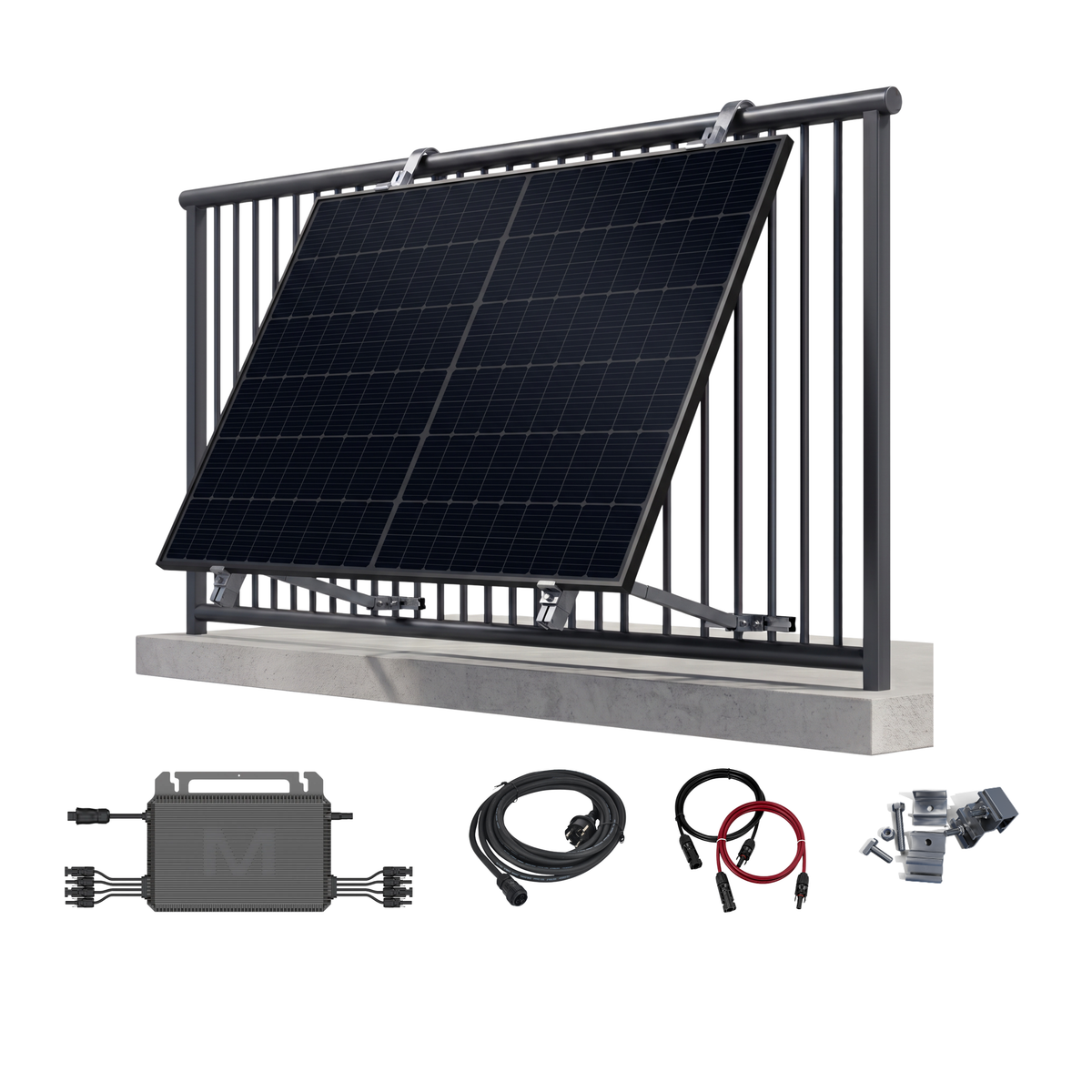
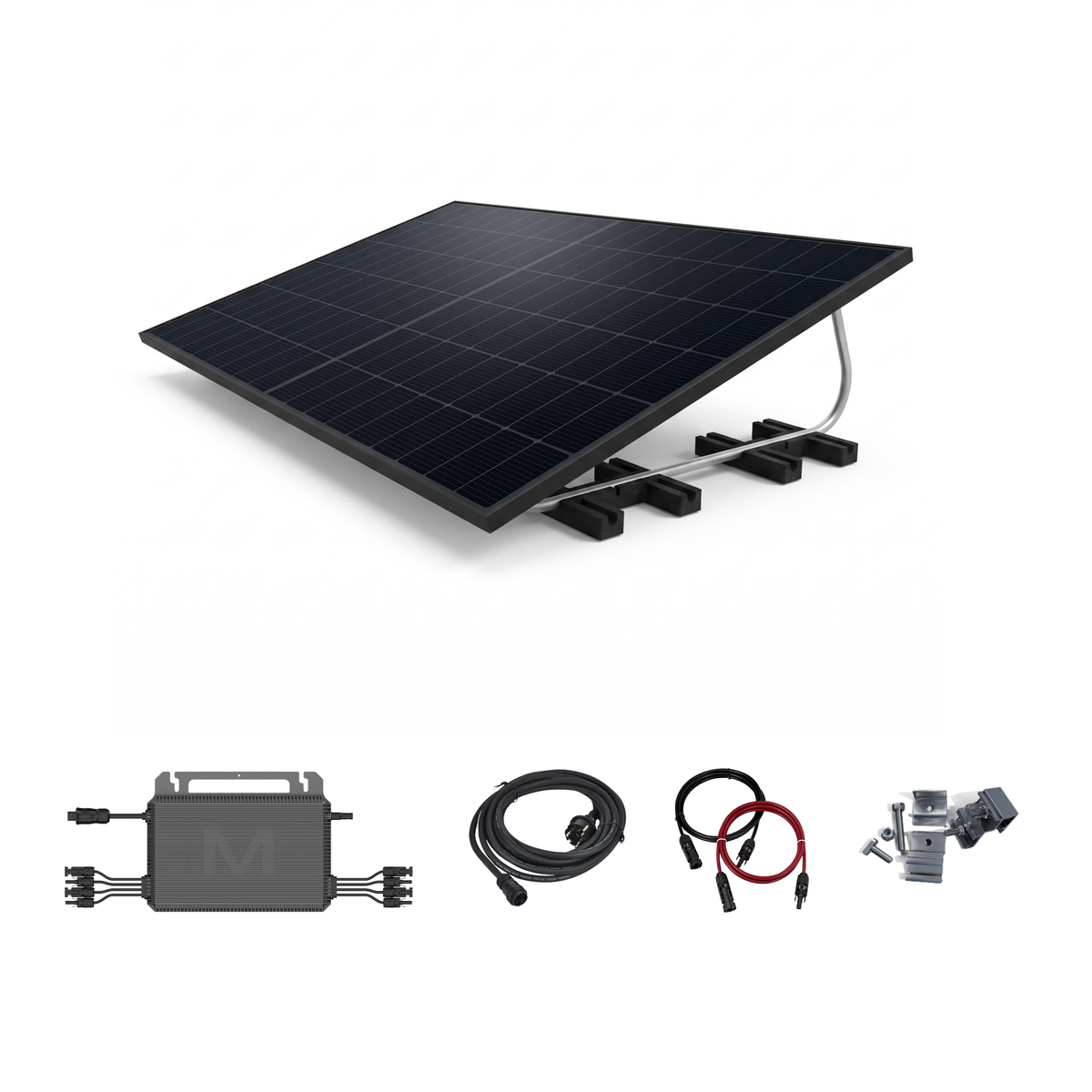
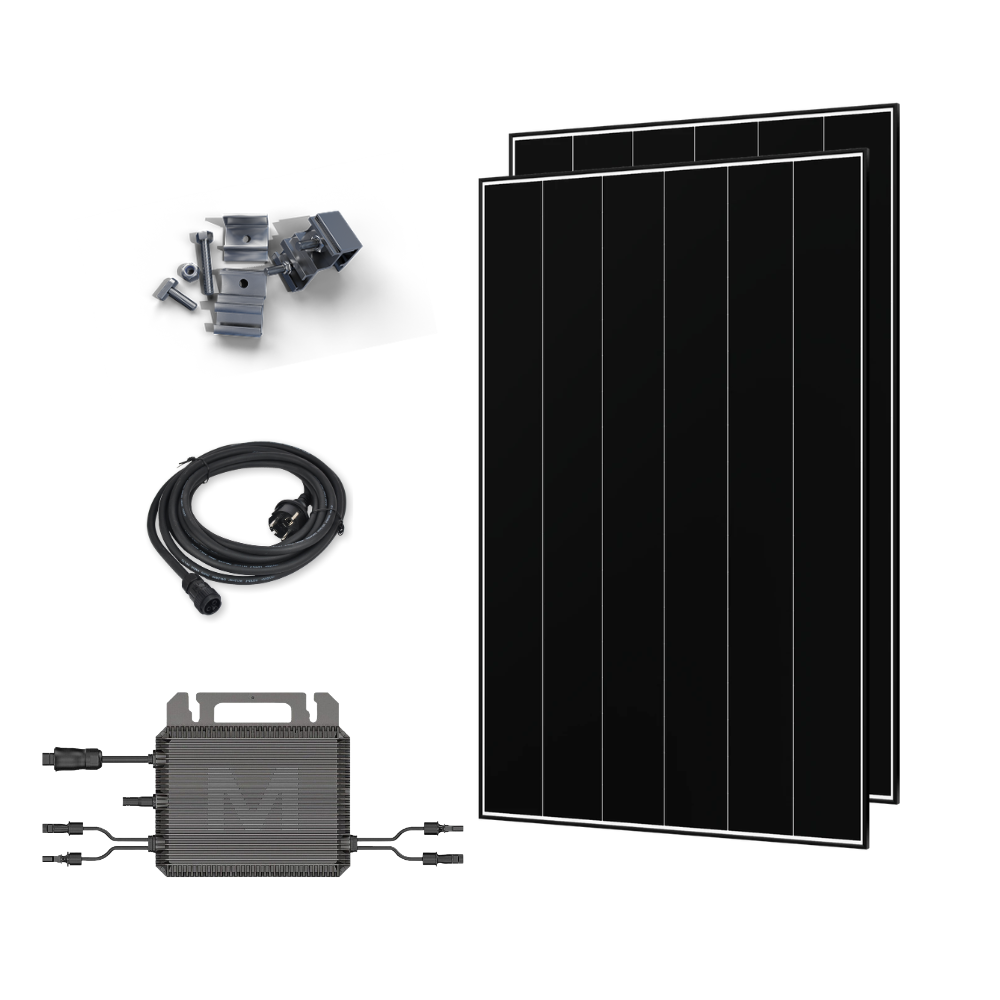
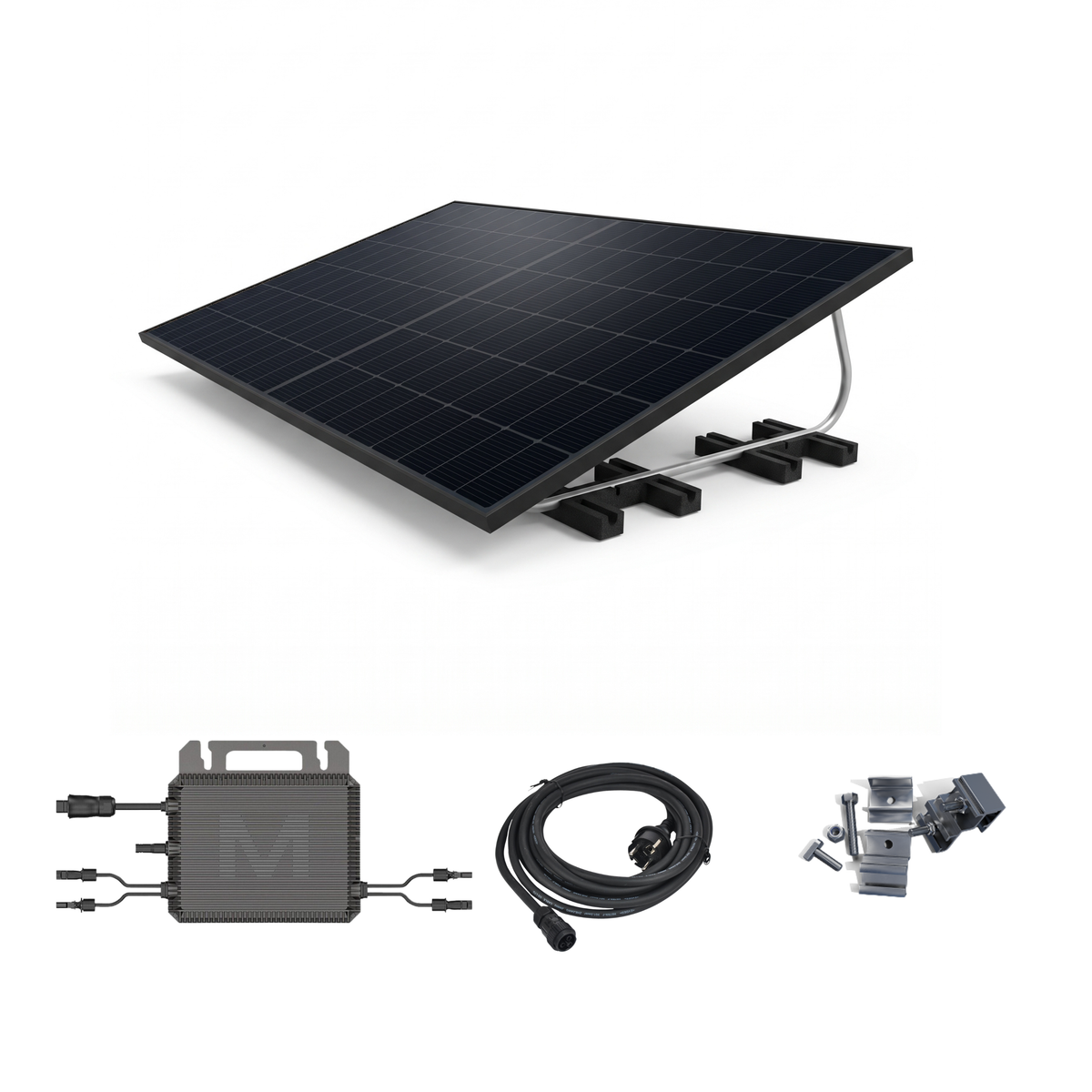
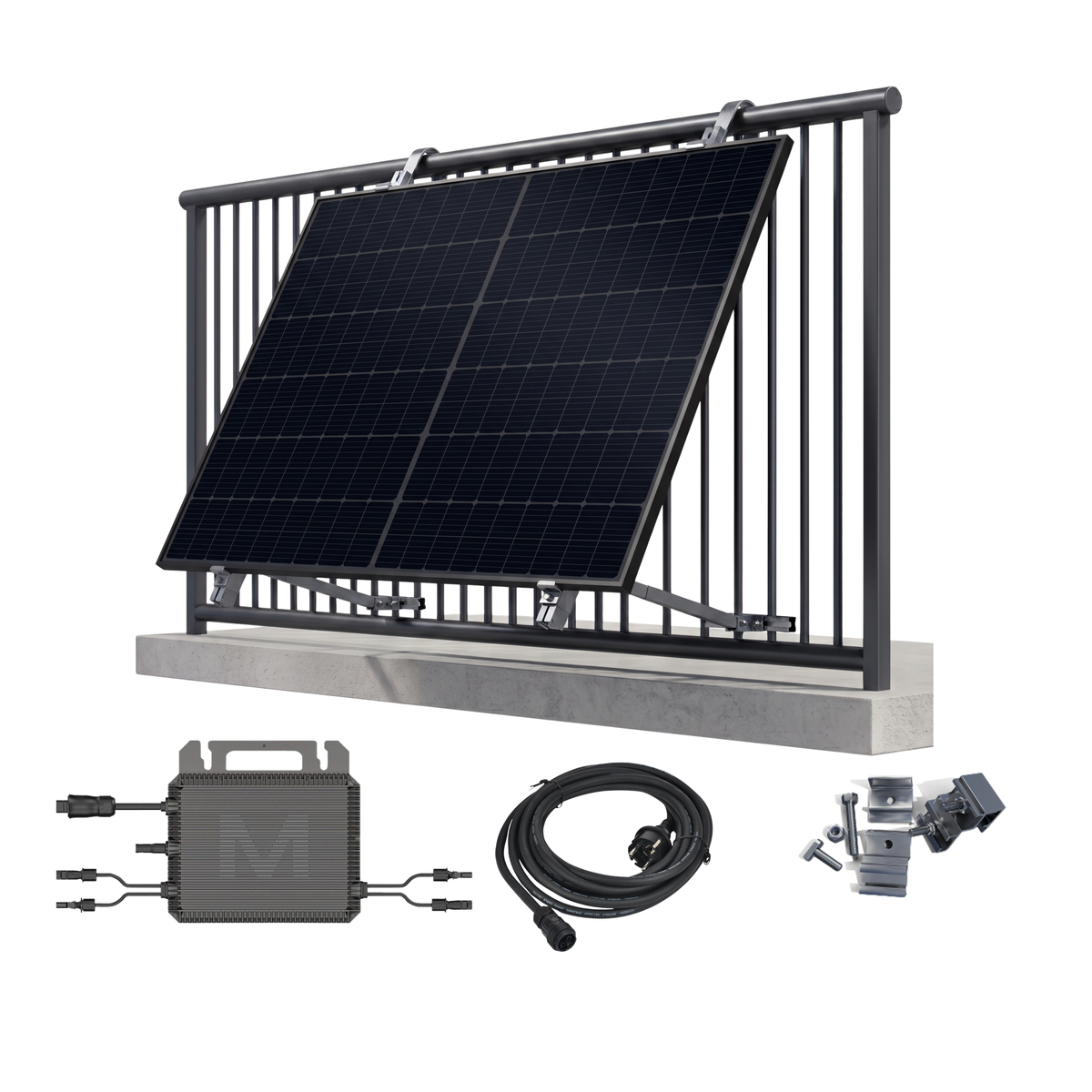
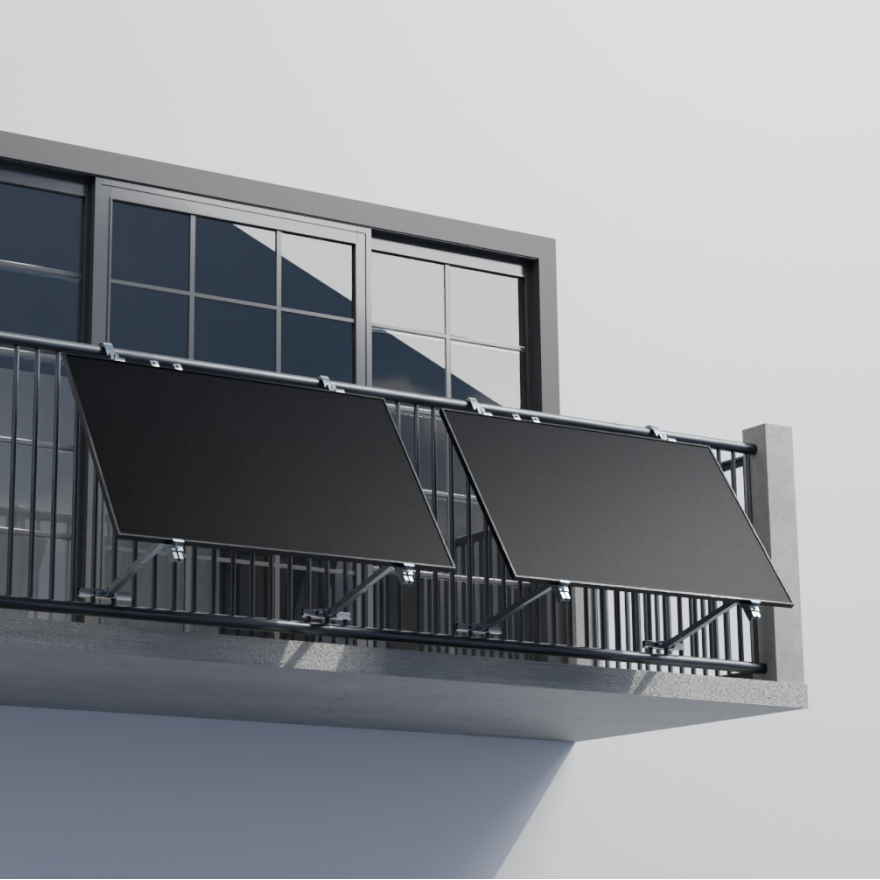
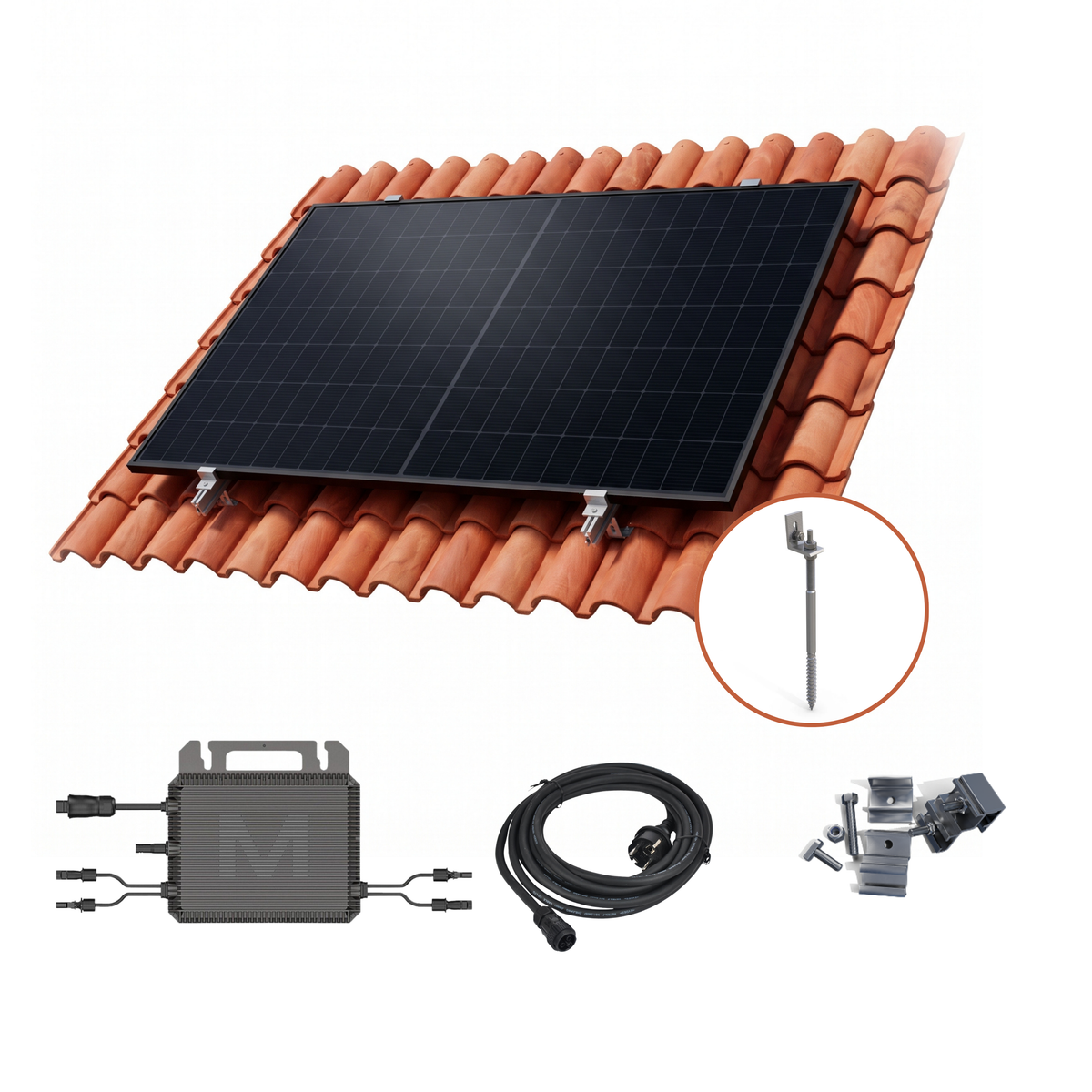
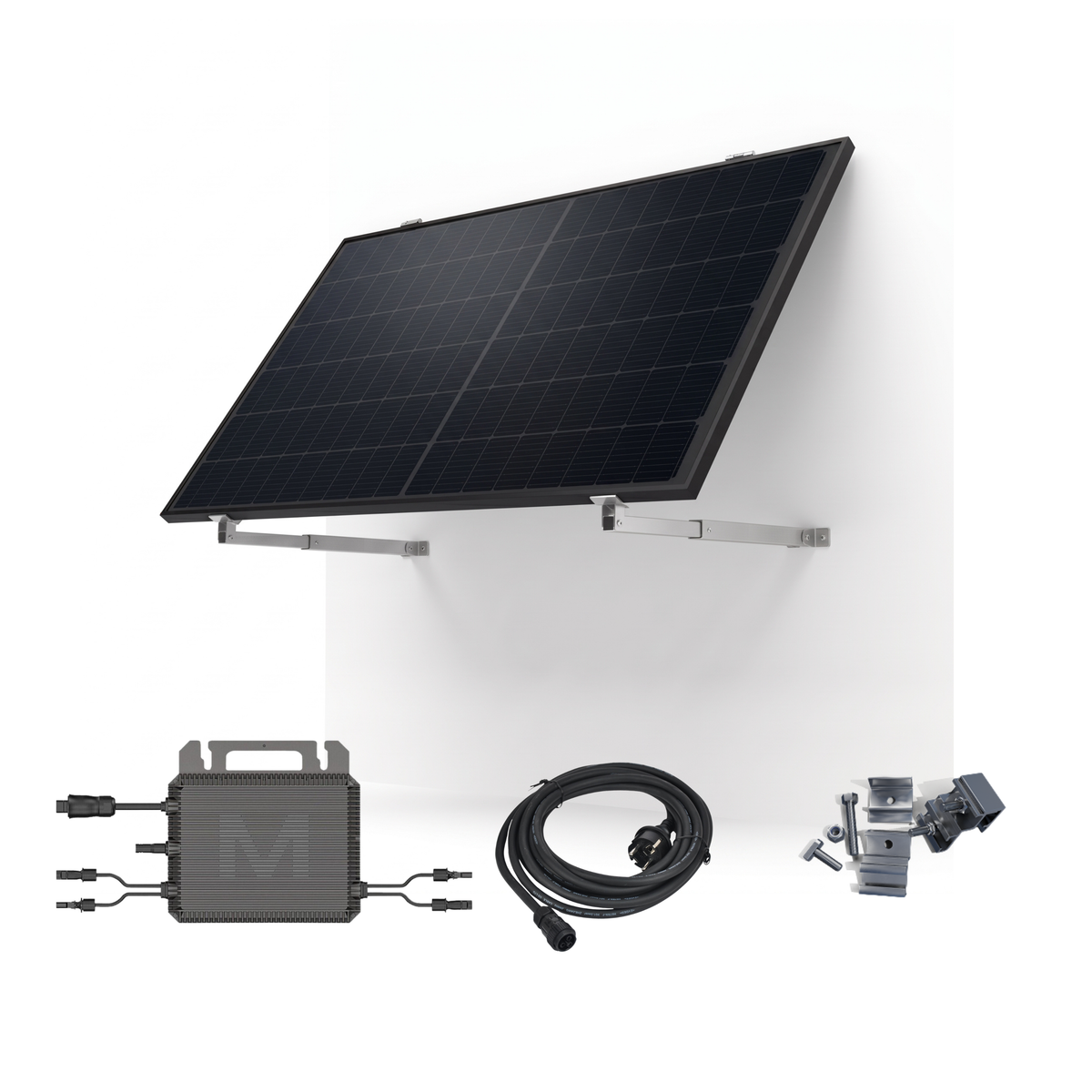
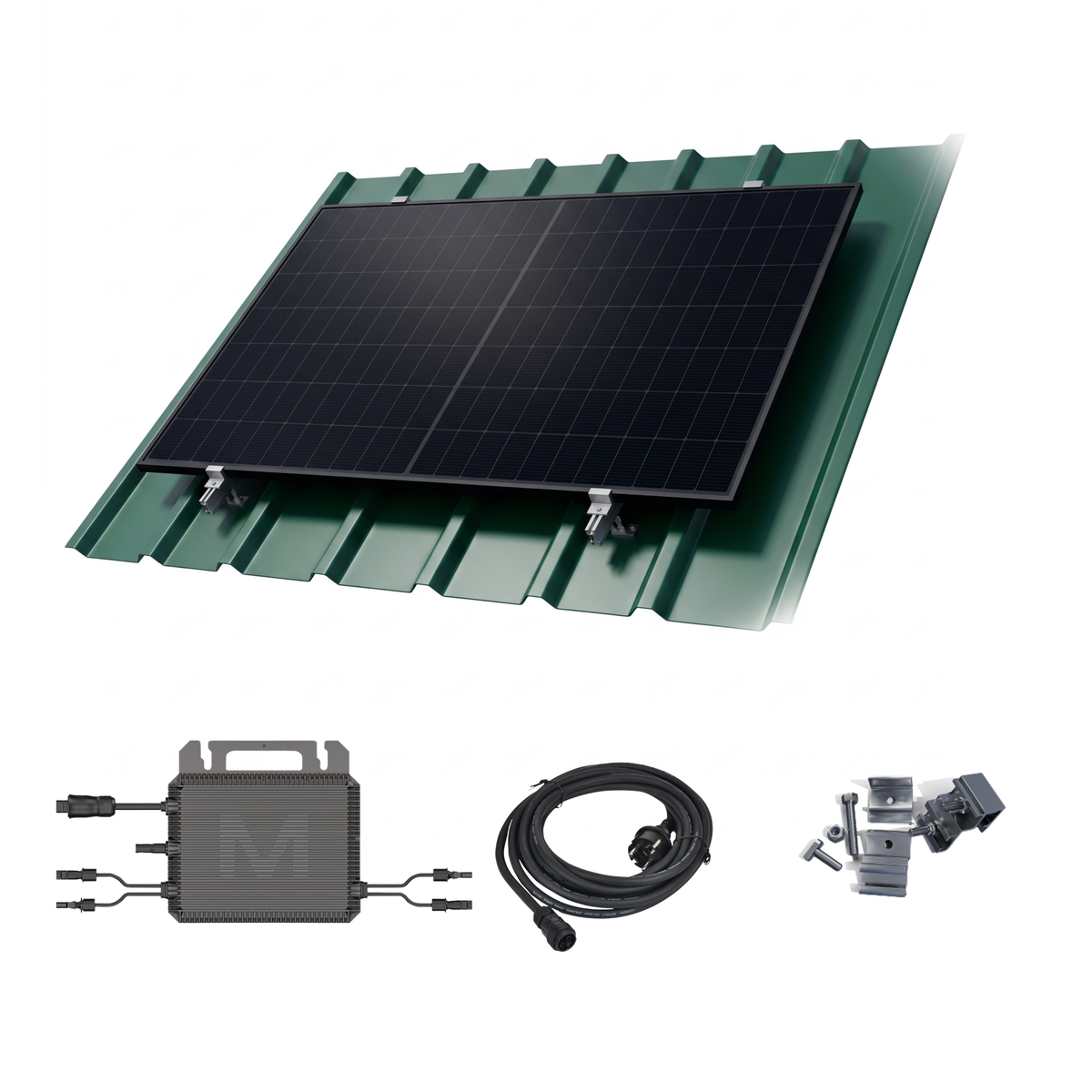
Each kit combines solar panels, a mount and a home battery, plus a smart meter where the system needs one to see how much your home is using. All-in-one batteries such as the Anker Solarbank have the microinverter built in. Marstek Venus E batteries plug into a socket and work alongside the kit's Marstek microinverter, all in one app.
How big should the battery be?
Size the battery to the electricity you use after sunset, not to your whole day. Larger batteries pay off when you have more panels, higher evening consumption or want longer backup. The Marstek Venus E 4.0 starts at 5 kWh and expands to 15 kWh; the Venus E Max holds 10 kWh. Compare all models in our home batteries.
Power during a blackout
A standard plug-in kit switches off when the grid goes down, for safety. Batteries with a backup or off-grid outlet, such as the Marstek Venus E 3.0 and the Anker Solarbank 3 Pro, keep essential devices like the fridge, router and lights running from that outlet during a power cut.
Rules for kits with battery
The solar part follows the plug-in rules of your country. Some grid operators also ask you to declare a battery. Our plug-in solar rules by country explain what applies where you live.