

Skip to content

Cart

Your cart is empty

All-in-one battery systems

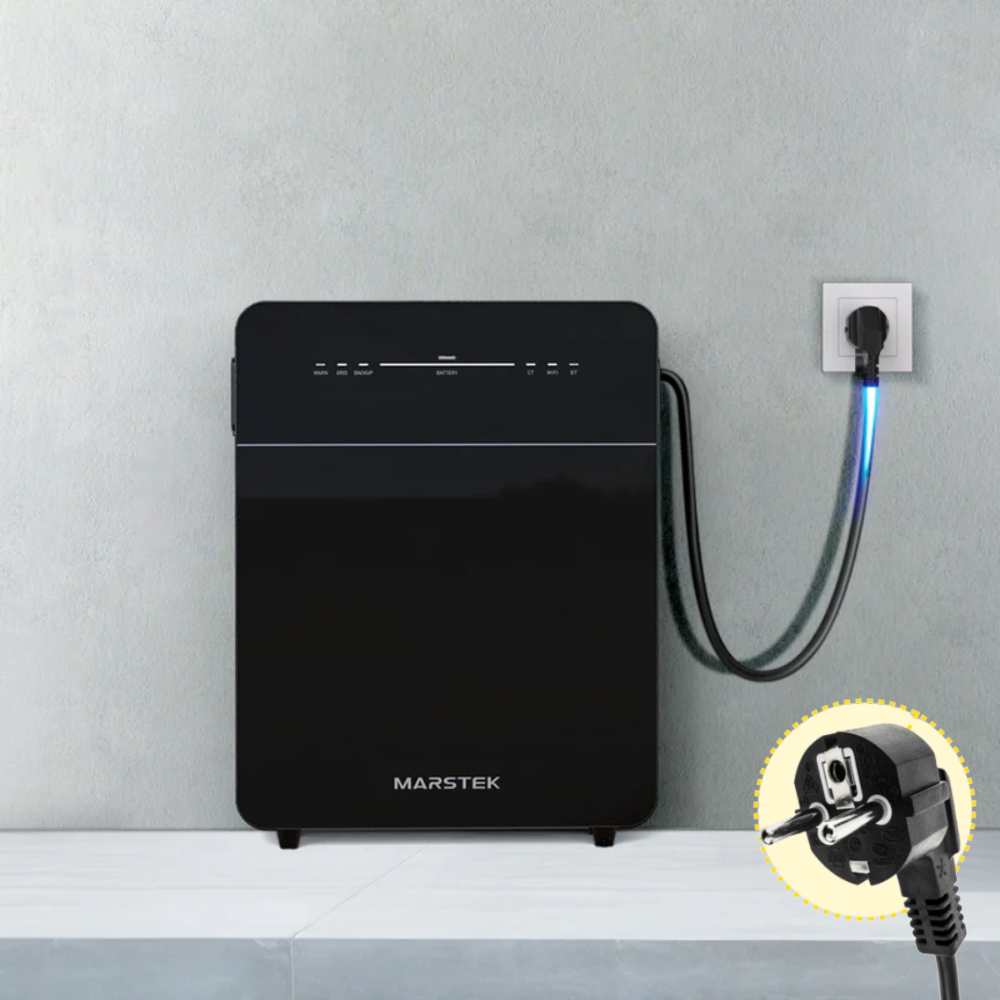
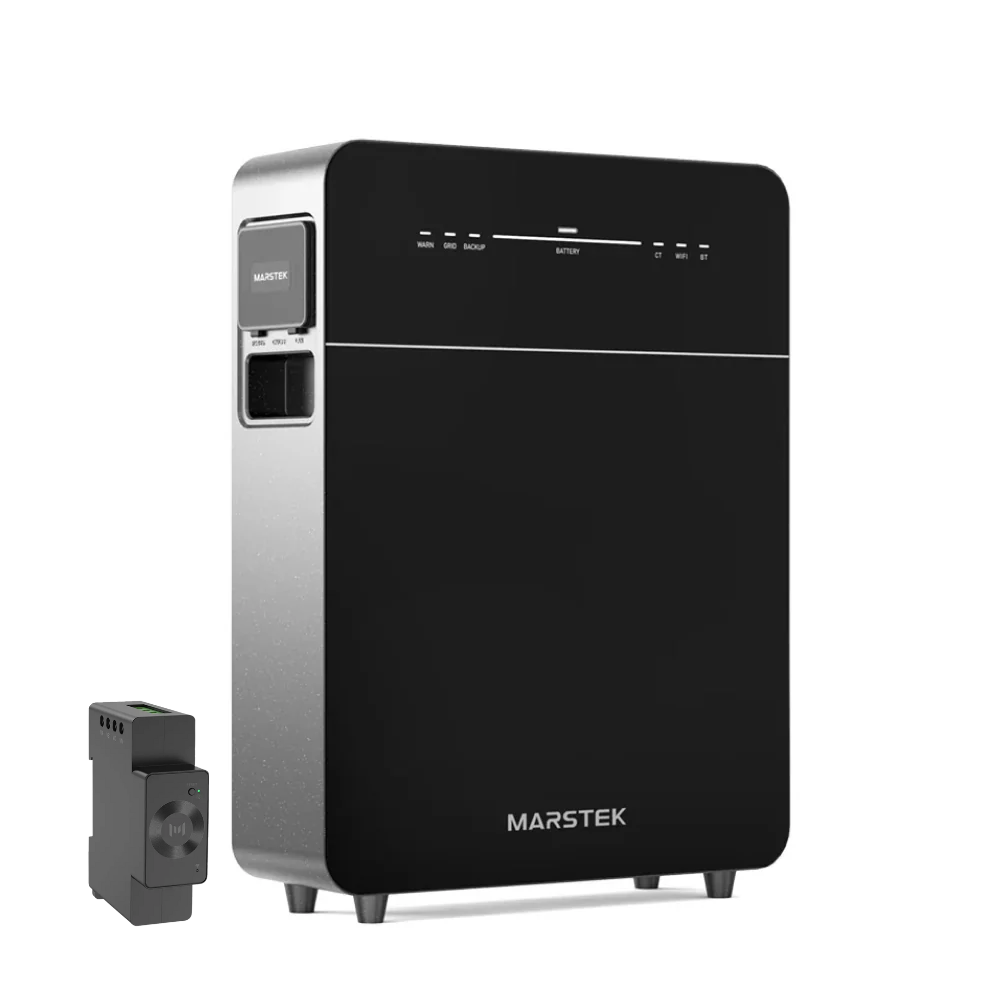
All-in-one battery systems combine a battery, controller and micro inverter into a single device. This makes their installation extremely easy and increases the all-in-one battery system's economic advantages. Just connect your solar panels one one side and the nearest power plug to the other, and you will start saving instantly.

Sort by

7 products

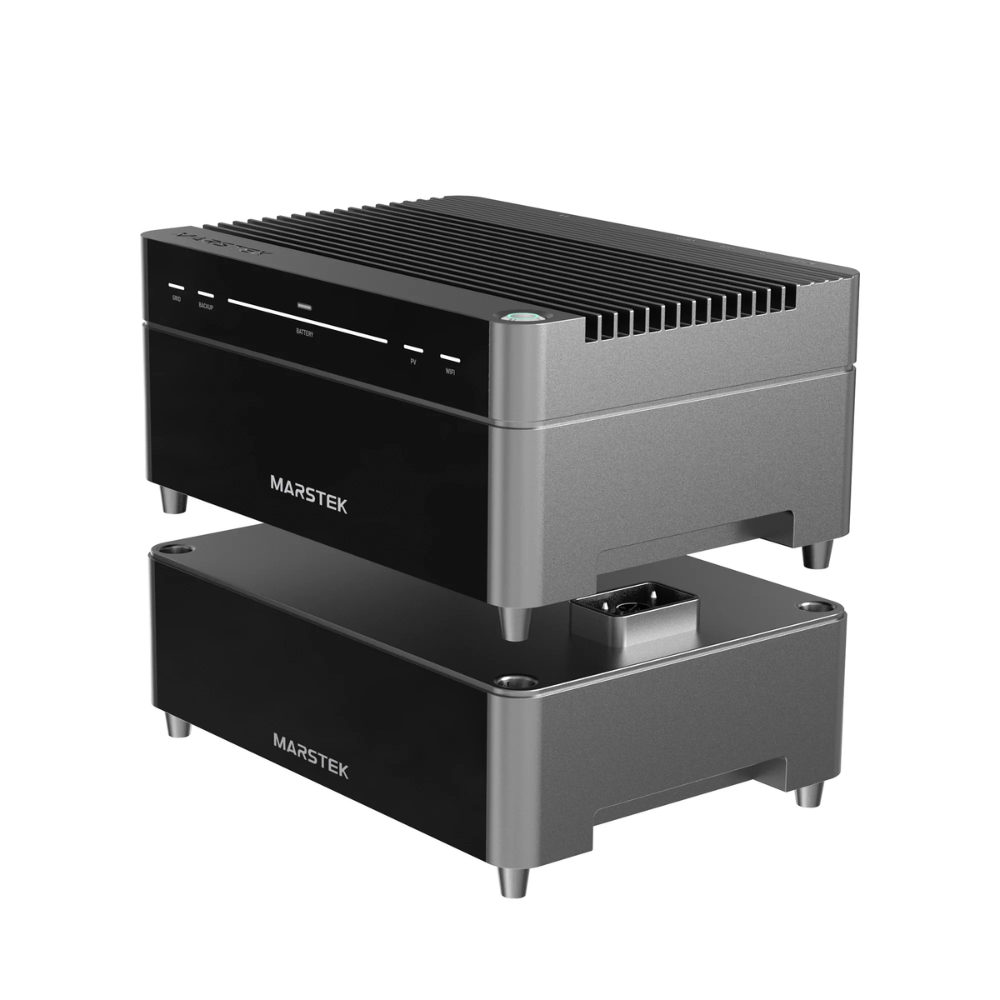
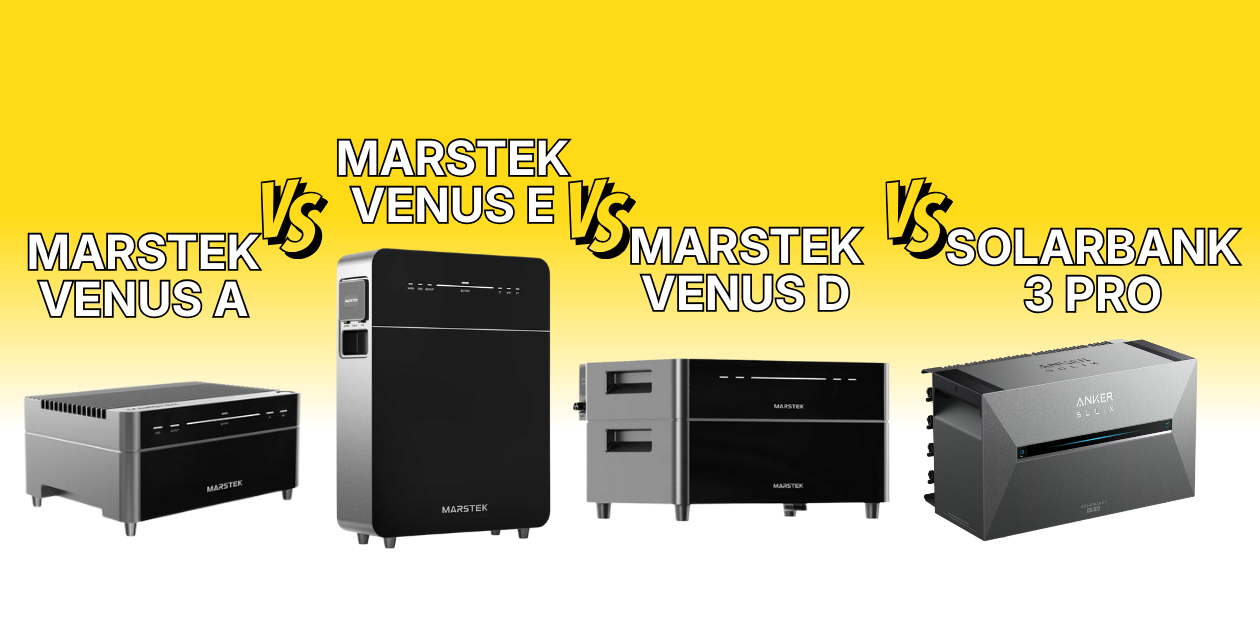
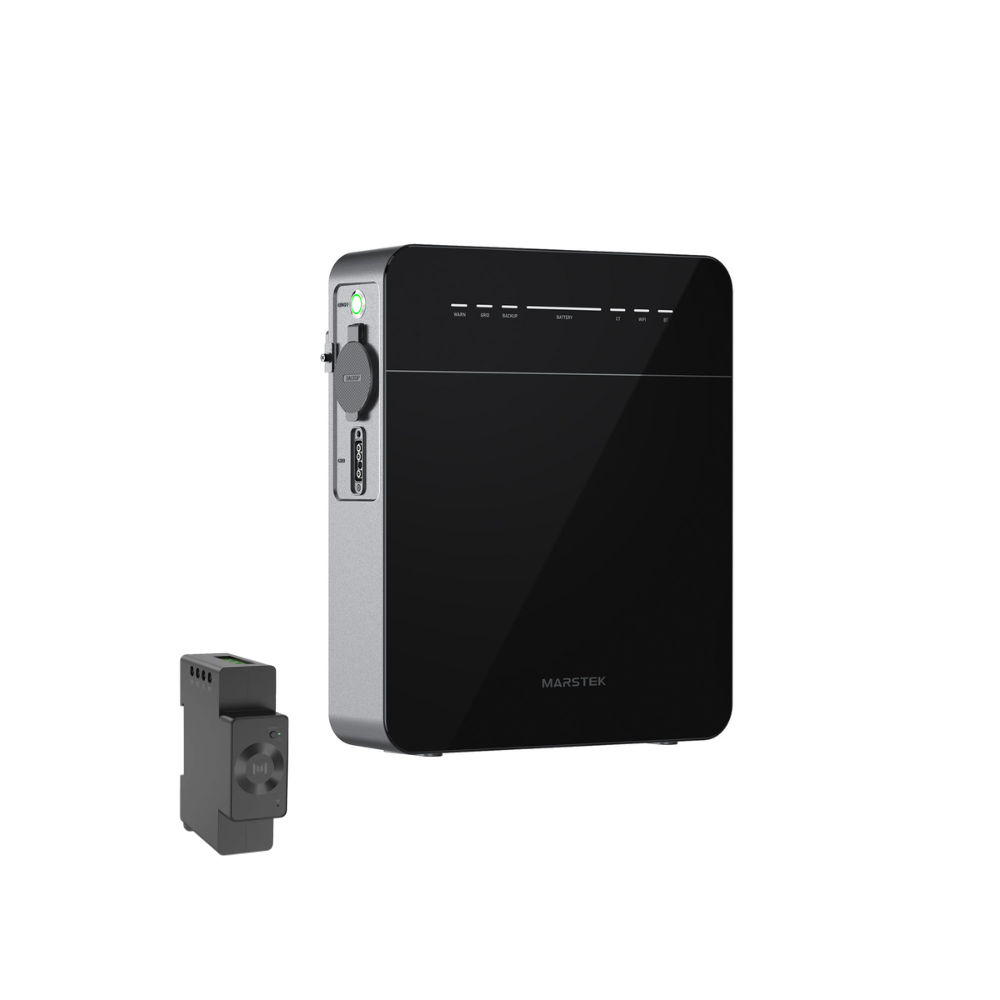
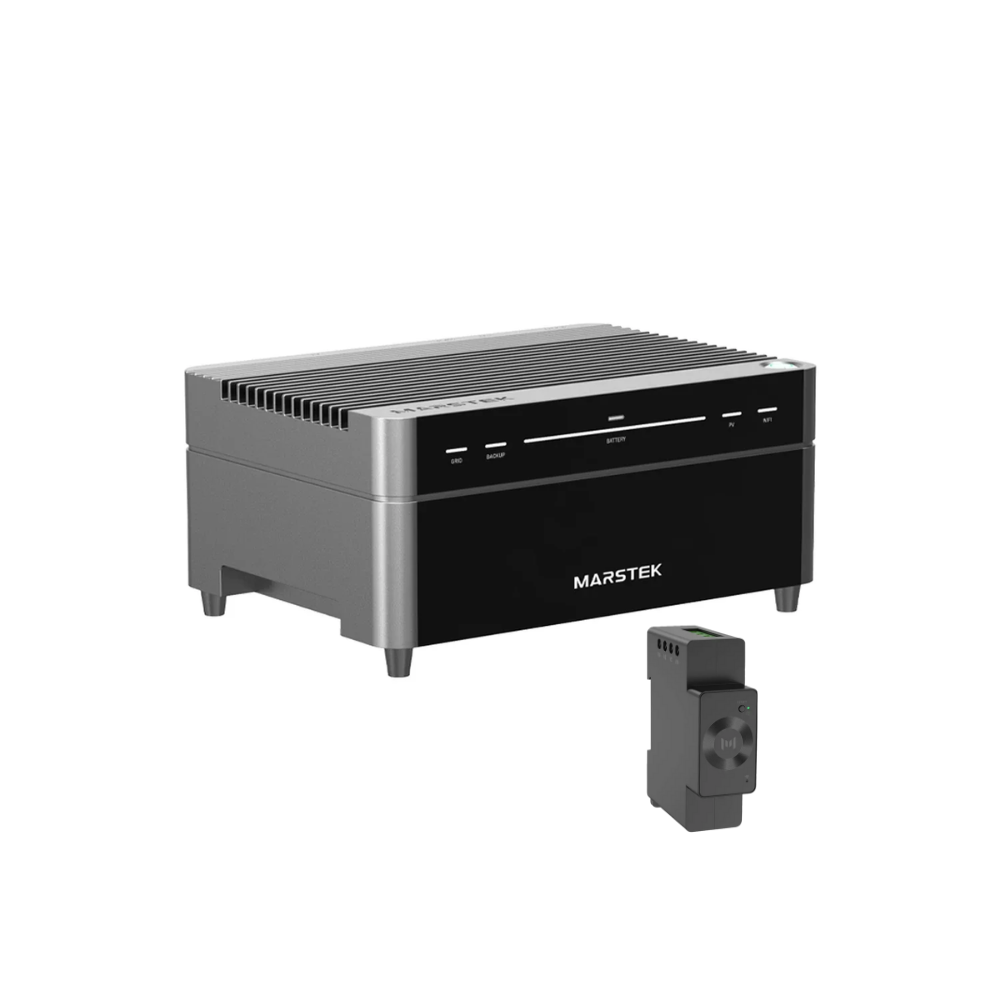
On saleMarstek Venus A DC storage system
Marstek Venus A Storage system Sale priceFrom €579,00 Regular price€999,00
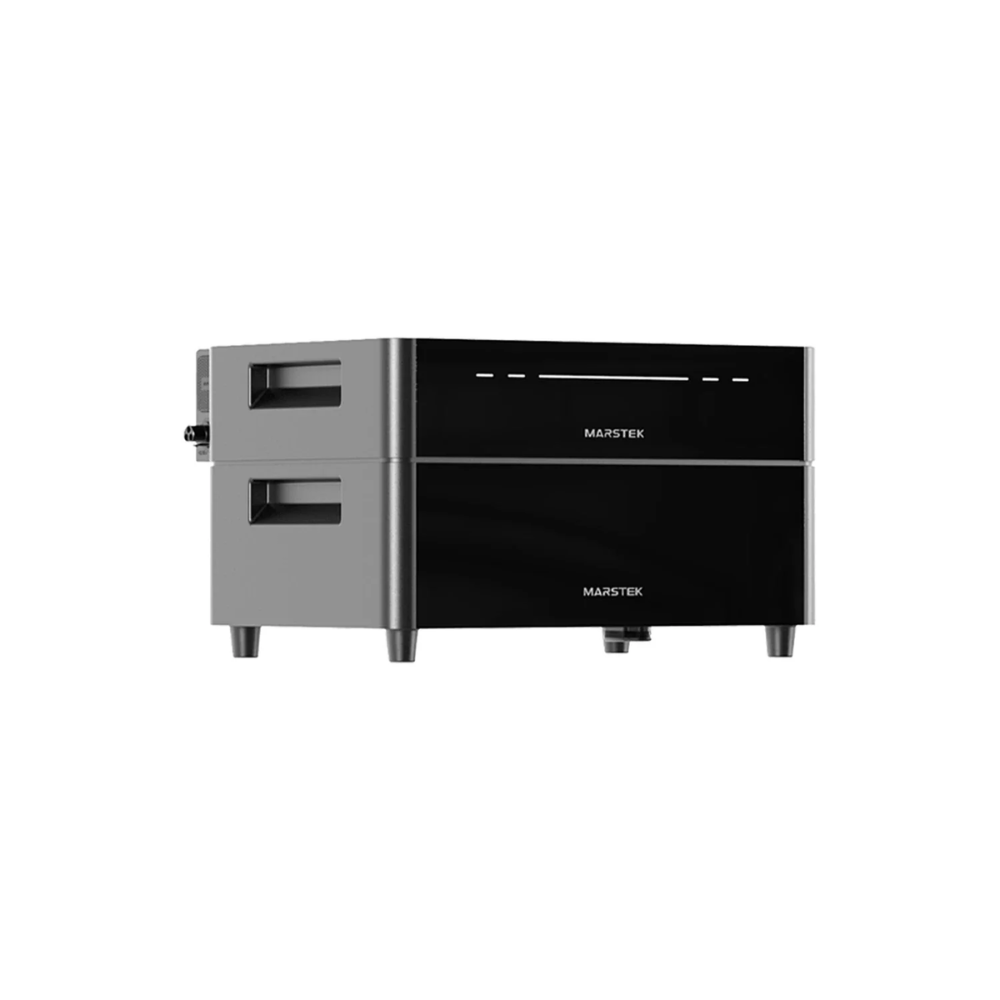
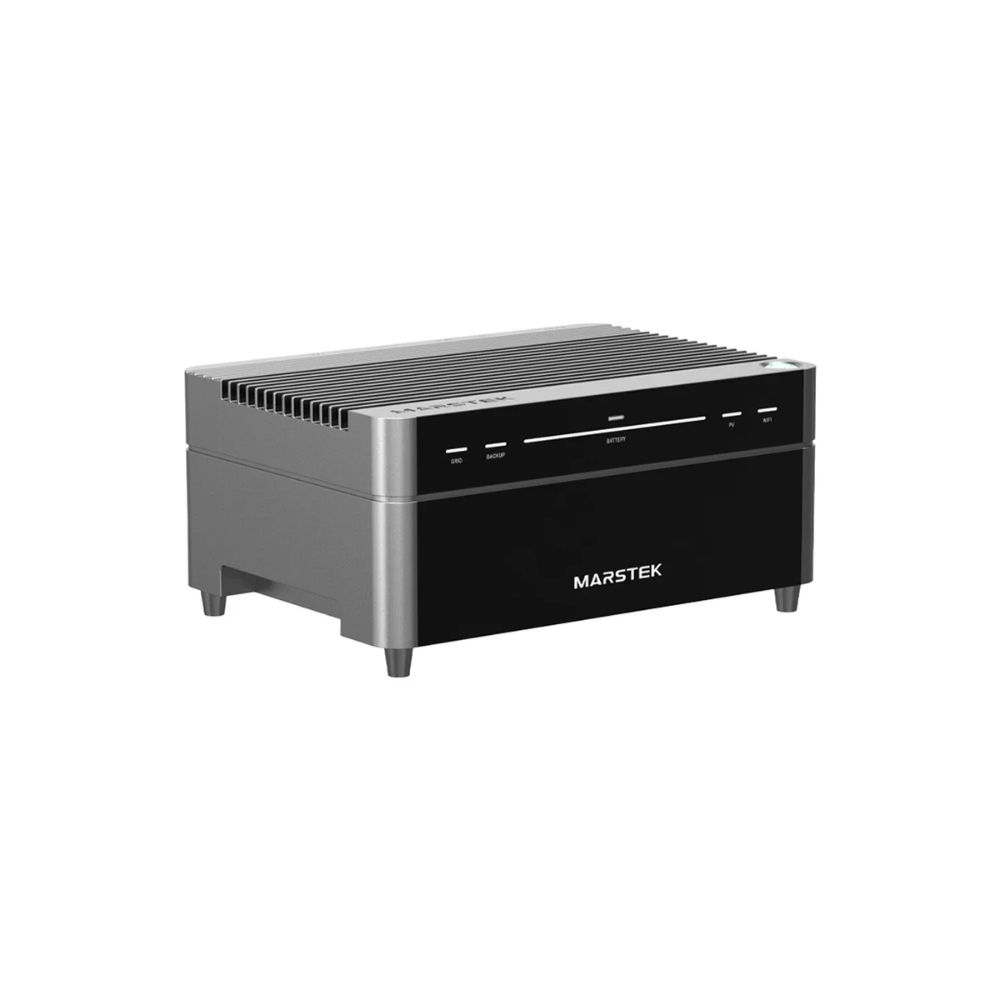
On saleMarstek Venus D Storage system
Marstek Venus D Storage system Sale priceFrom €1.199,00 Regular price€1.798,00
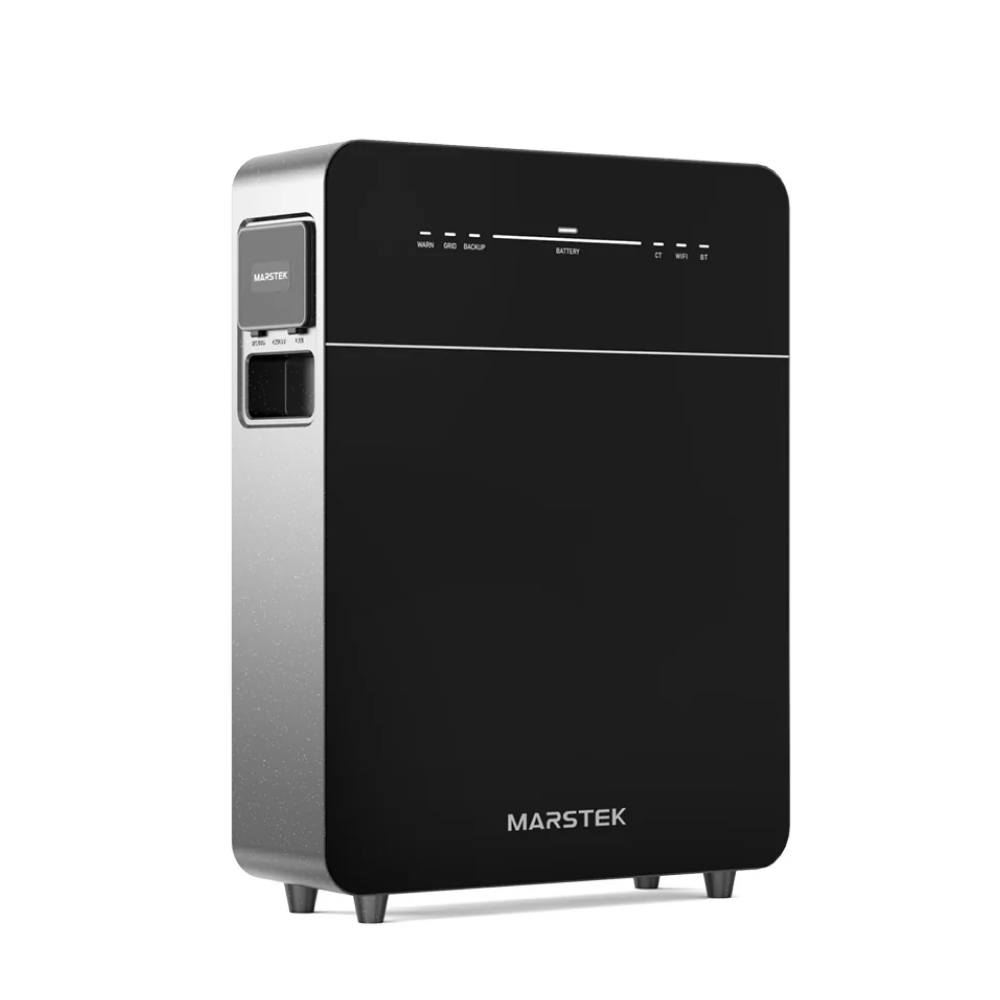
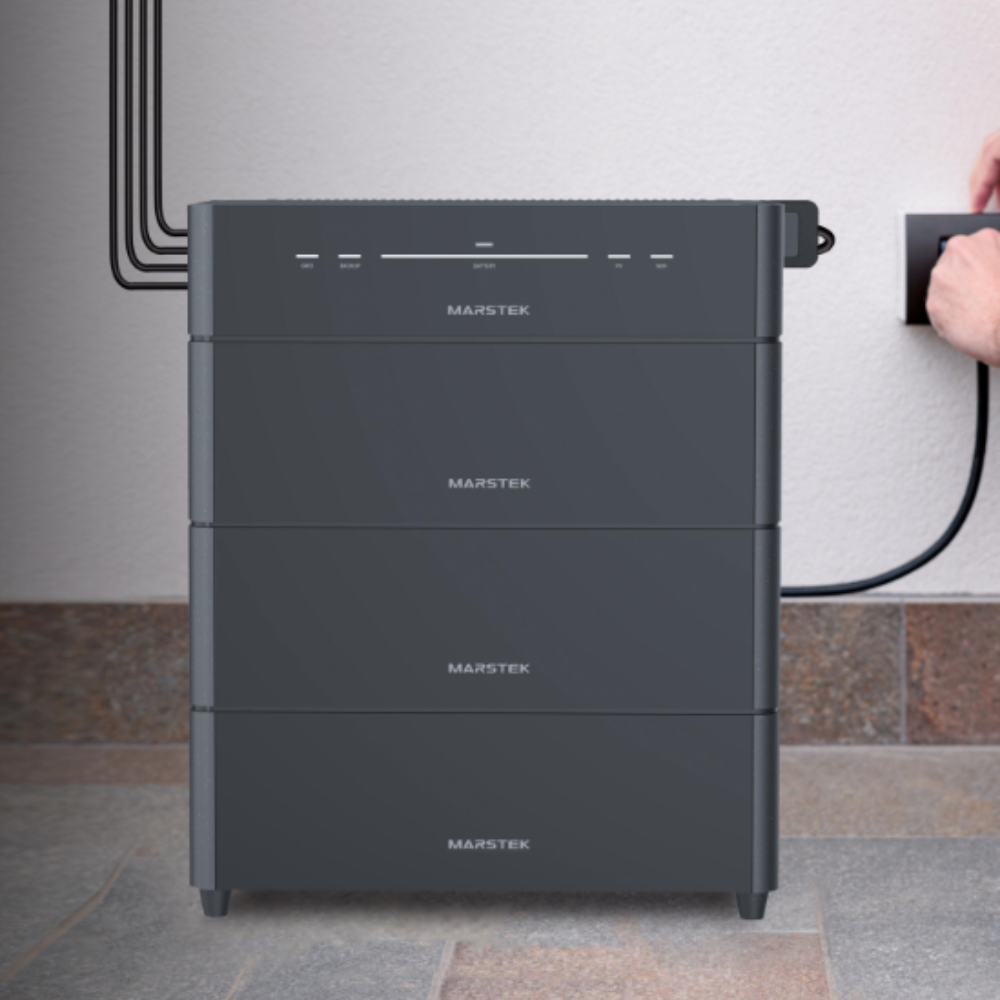
On saleMarstek Venus E 3.0 - 5.12 kWh Storage system
Marstek Venus E 3.0 - 5.12 kWh Storage system Sale priceFrom €1.049,00 Regular price€1.999,00
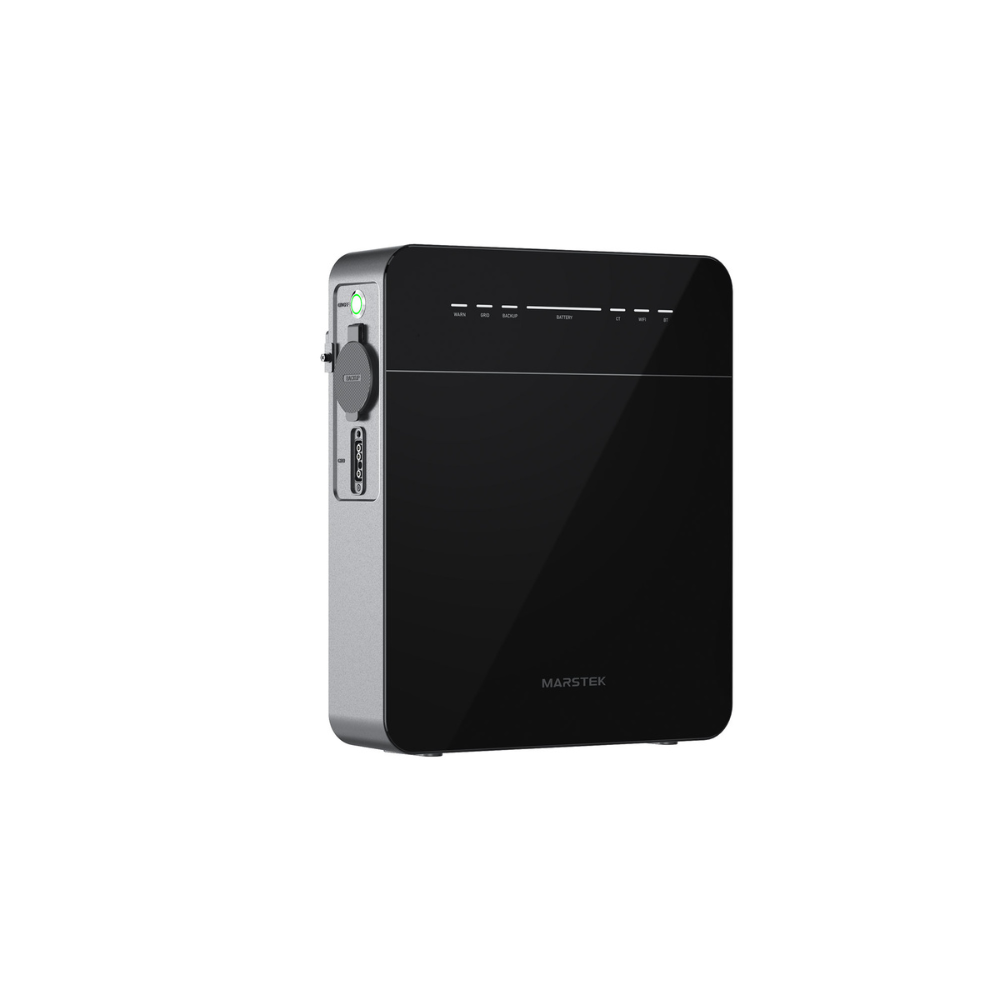
On saleMarstek Venus E Mini - 2 kWh Storage system
Marstek Venus E Mini - 2 kWh Storage system Sale priceFrom €559,00 Regular price€799,00
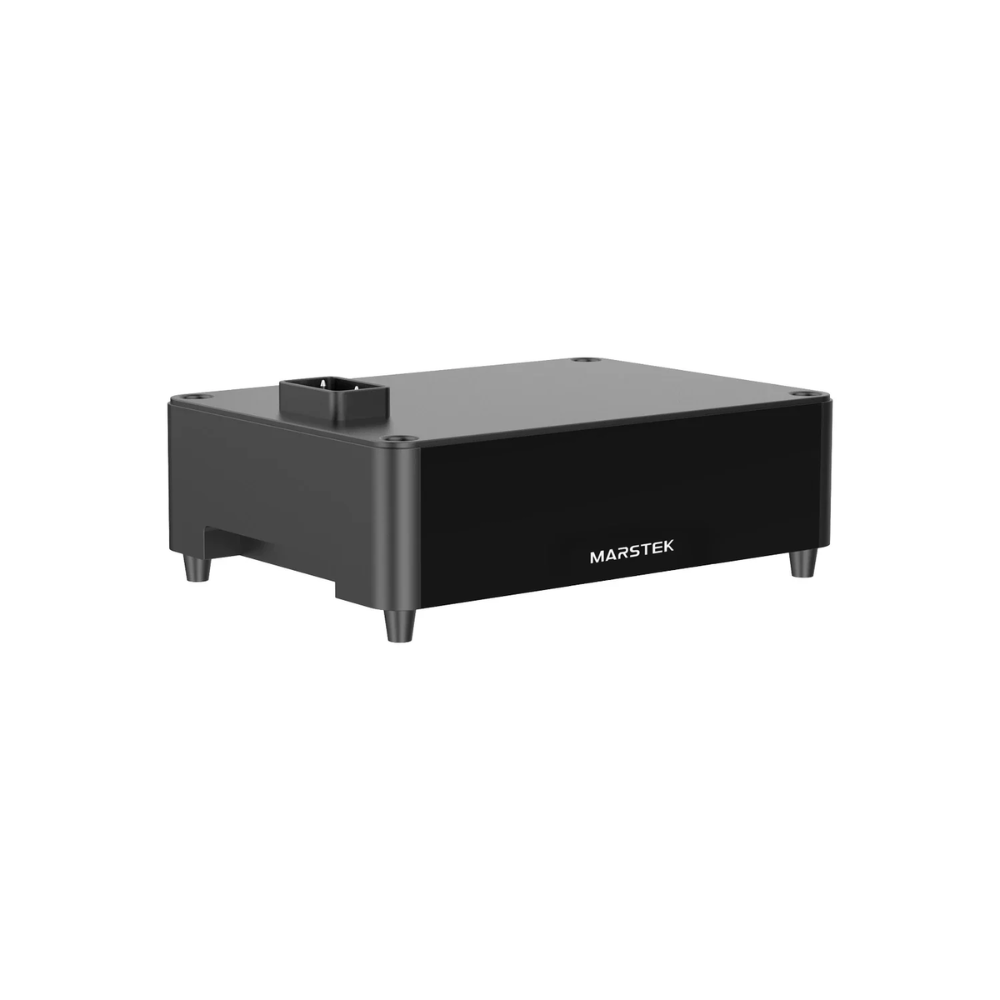
Save €350,00Marstek Venus A Expansion Battery
Marstek Venus A Expansion Battery Sale price€449,00 Regular price€799,00
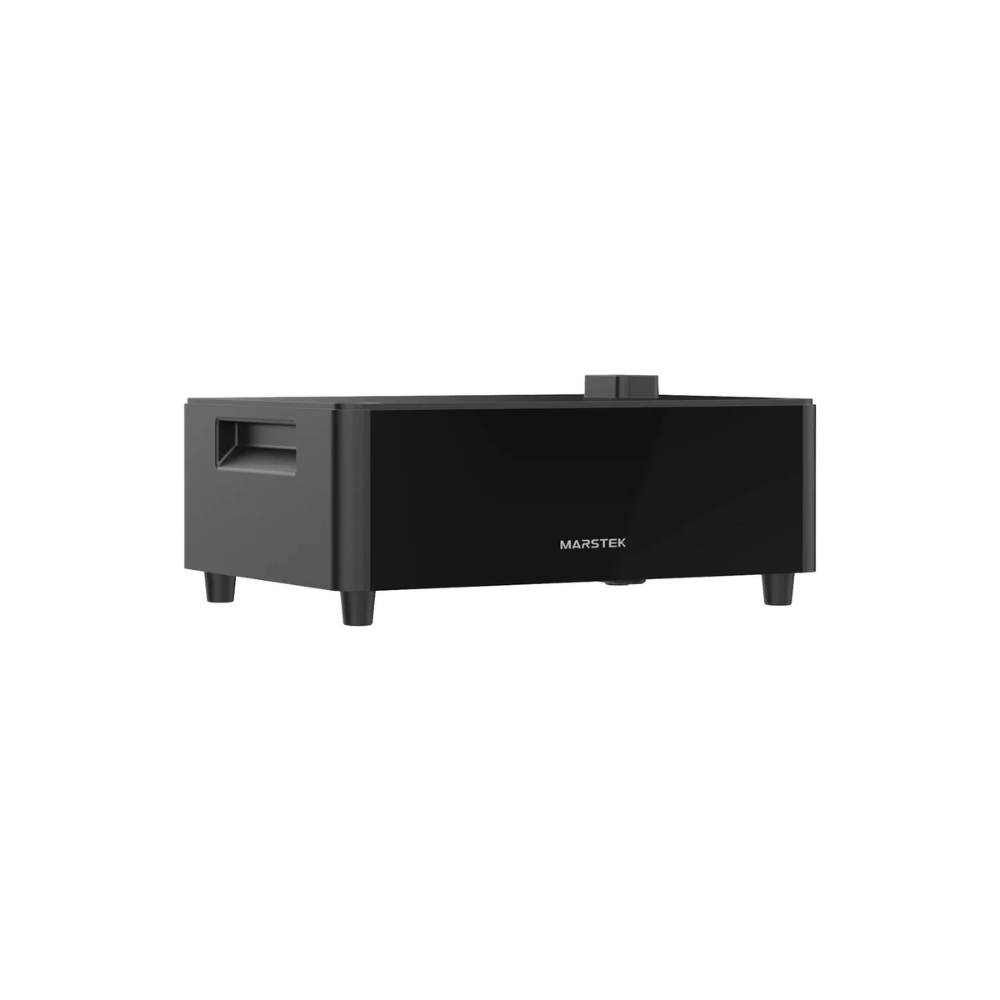
Save €300,00Marstek Venus D product expansion battery
Marstek Venus D Expansion Battery Sale price€599,00 Regular price€899,00
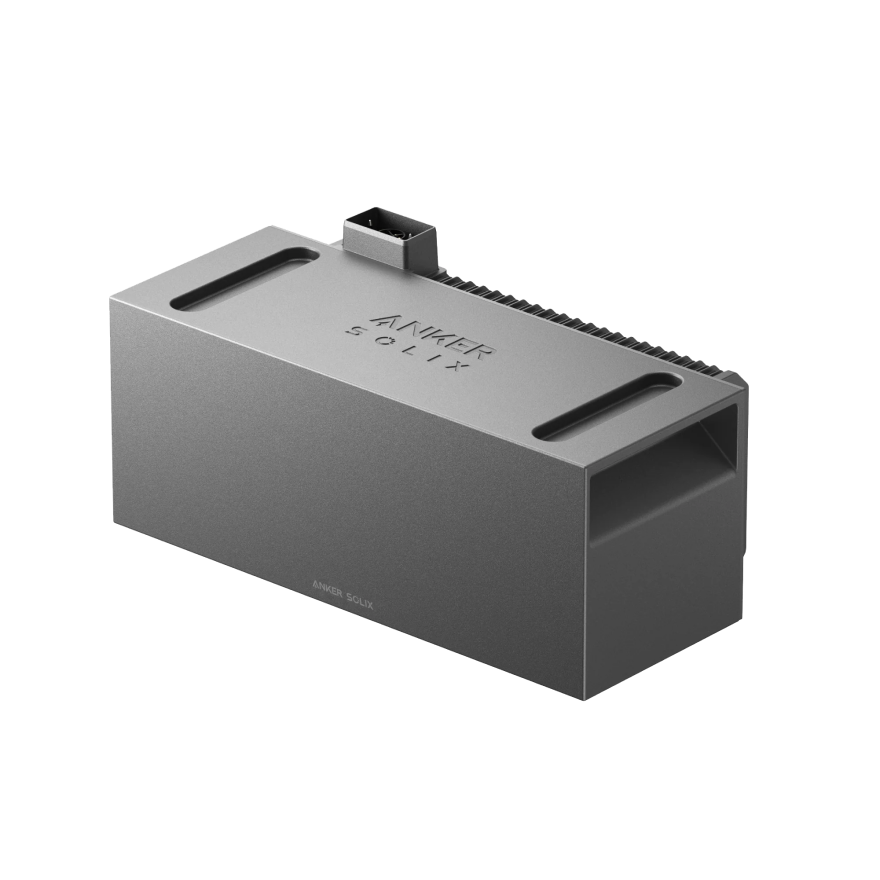
Save €200,00Anker expansion battery
Anker BP2700 Expansion Battery Sale price€899,00 Regular price€1.099,00
Frequently asked questions

Storage

How does a storage system for my plugin solar kit work?

How does a storage system for my plugin solar kit work?

In short: as easy as a plugin solar kit.

There are different types of storage systems, can be divided into these main categories:

Storage for already installed plugin solar kits

If you already have a plug-in solar kit or another solar installation installed, you can add a storage system without modifying your panels or microinverter.

These systems work together with your existing setup and store surplus solar energy for later use.

Current compatible solutions include:

All storage systems require a Smart Meter to monitor energy flows, detect surplus production and manage grid usage when needed.

Smart kits (with storage)

If you want to install solar panels and storage at the same time, a Smart Kit is the easiest option.

Smart kits combine:

  • solar panels,
  • storage systems,
  • mounting structures and cables.

They allow you to produce, store and use solar energy in a simple plug & play way.

Standalone storage systems

Standalone storage systems do not require a direct connection to solar panels.

They connect to a standard household socket and:

  • store surplus energy produced by your solar installation,
  • charge and discharge through your home’s electricity network,
  • can also be charged with grid energy, for example during low-cost tariff periods or if no solar panels are installed.

A Smart Meter is required to manage energy flows correctly.

Can I also charge my storage with power from the grid?

Can I also charge my storage with power from the grid?

In short: with a hybrid storage system, yes.

Most storage systems that have launched in recent months include “hybrid” charging. This means that the storage system can not only discharge into the home’s power network, but also charge from it.

This functionality allows you to top up your battery with power from the grid. This makes sense if your power tariff has very cheap prices in some dayparts, when topping up costs little, and use that power in the more expensive day parts.

How much storage do I need for my home?

How much storage do I need for my home?

In short: this depends on your consumption levels.

Storage needs can be looked at from several sides:

  • Solar kit production. If you look at how much your solar kit produces during an entire day, and how much you consume on the spot, the rest is what you will have to store. For example, if your Plus 2000 kit produces 8 kWh per day but during the day you only use 3 kWh, then you need at least 5 kWh of storage for your surplus, to use it when the sun doesn’t shine.
  • Household demand. If you know how much you consume per day at home after subtracting the immediate consumption of your solar kit’s production, you know what you're missing. A part of that can be covered by storing your solar kit’s surplus. The rest can be covered by charging in low-cost hours from the grid. For example, if you consume 10 kWh per day in the above example, you will need 2 kWh to charge from the grid on top of the 5 kWh mentioned above.

And remember, that when it comes to batteries, you should never discharge below 10% and never charge over 90%. This means that you can only use 80% of any battery capacity. This would mean that in the above scenario of 7 kWh of required storage, you will need a storage system of 9 kWh, whose 80%-capacity of 7,2 kWh covers your needs.