
Skip to content

Cart

Your cart is empty

Plugin solar in the United Kingdom

Yes, in England, Scotland and Wales. Since 27 August 2026 you can buy a plug-in solar kit and plug it into an ordinary 13 A socket yourself, without an electrician. The kit must be a complete product listed as compliant on the Energy Networks Association (ENA) register. Its inverter can deliver up to 800 W, and its panels can total up to 2,000 W. You may use one kit per home, and you must register it online before you start using it. Plug-in batteries are not allowed. In Northern Ireland, plug-in solar is not yet permitted. Tenants and flat owners need permission from their landlord or freeholder first.

General overview for United Kingdom

Plugin solar kits: 800 W

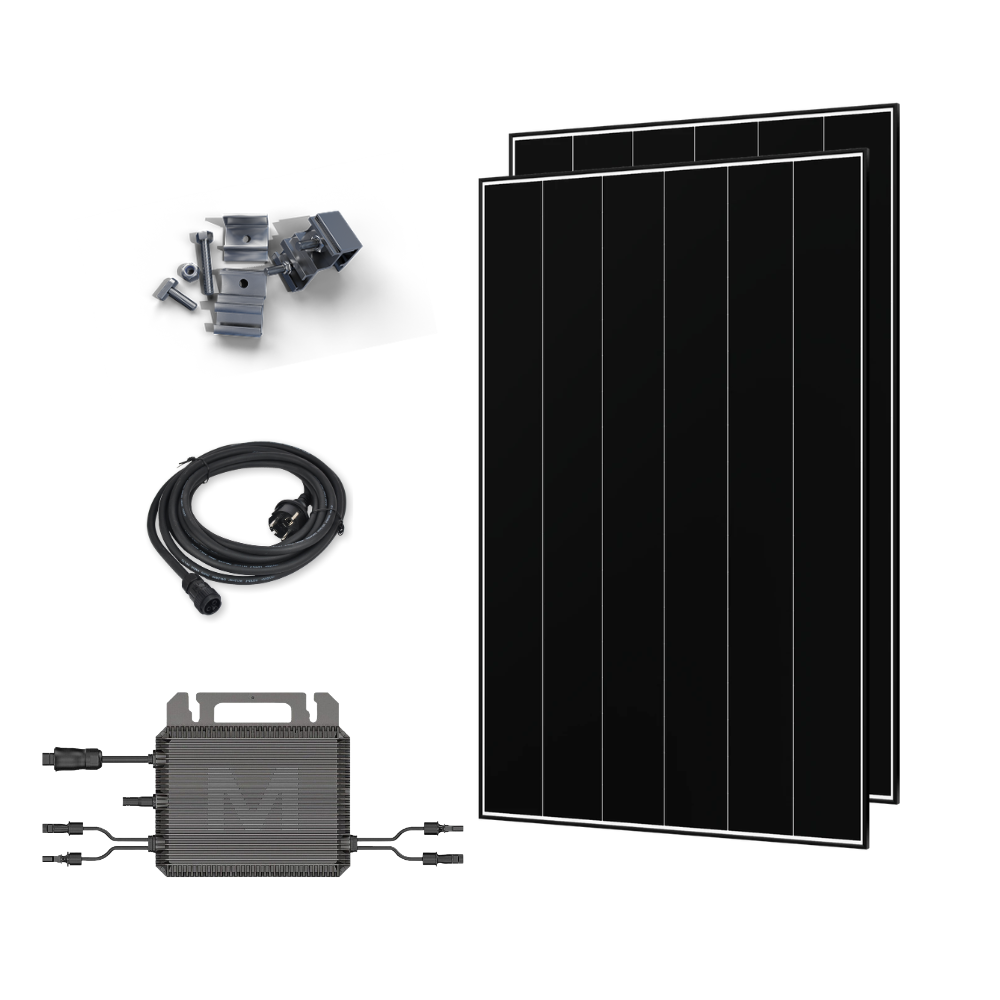
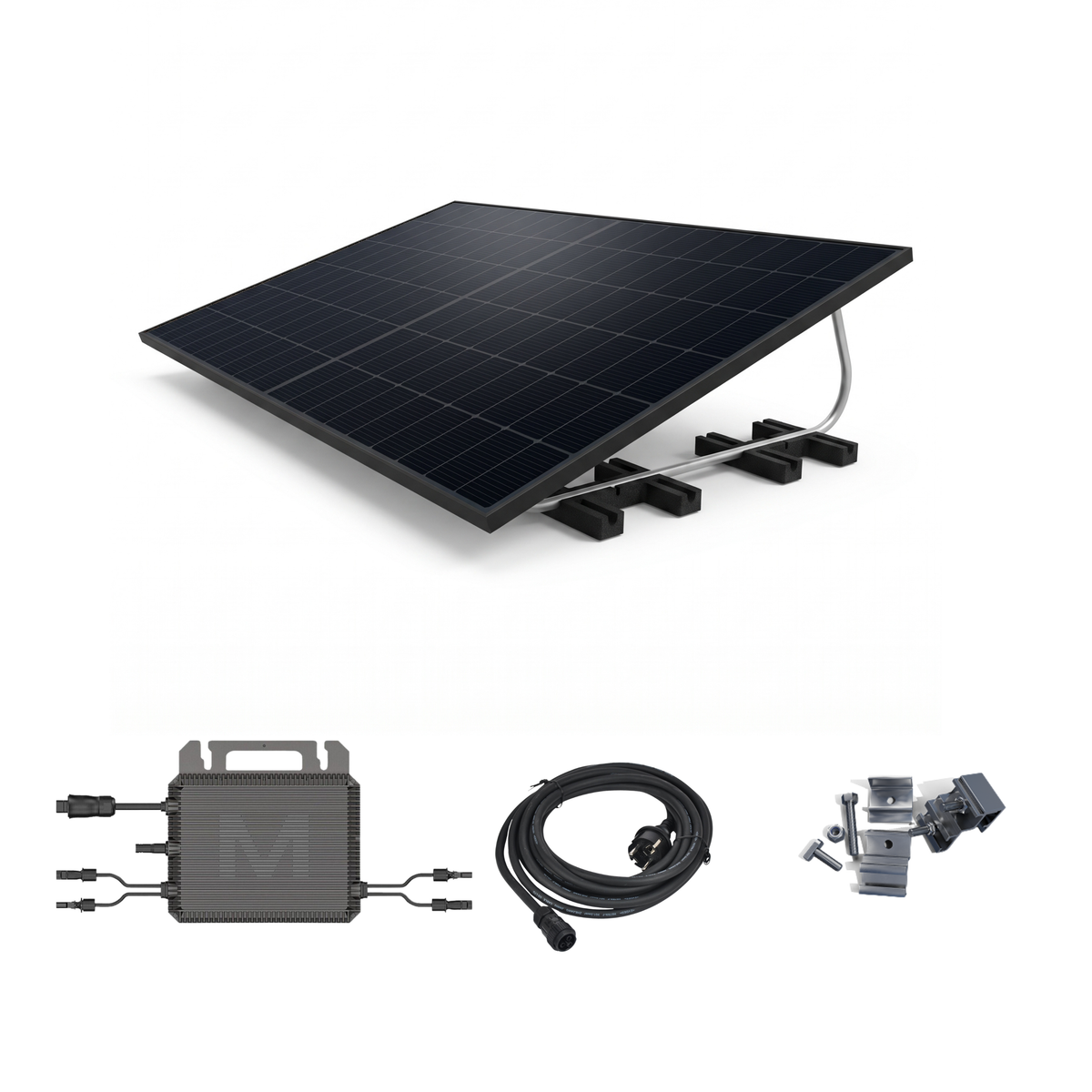
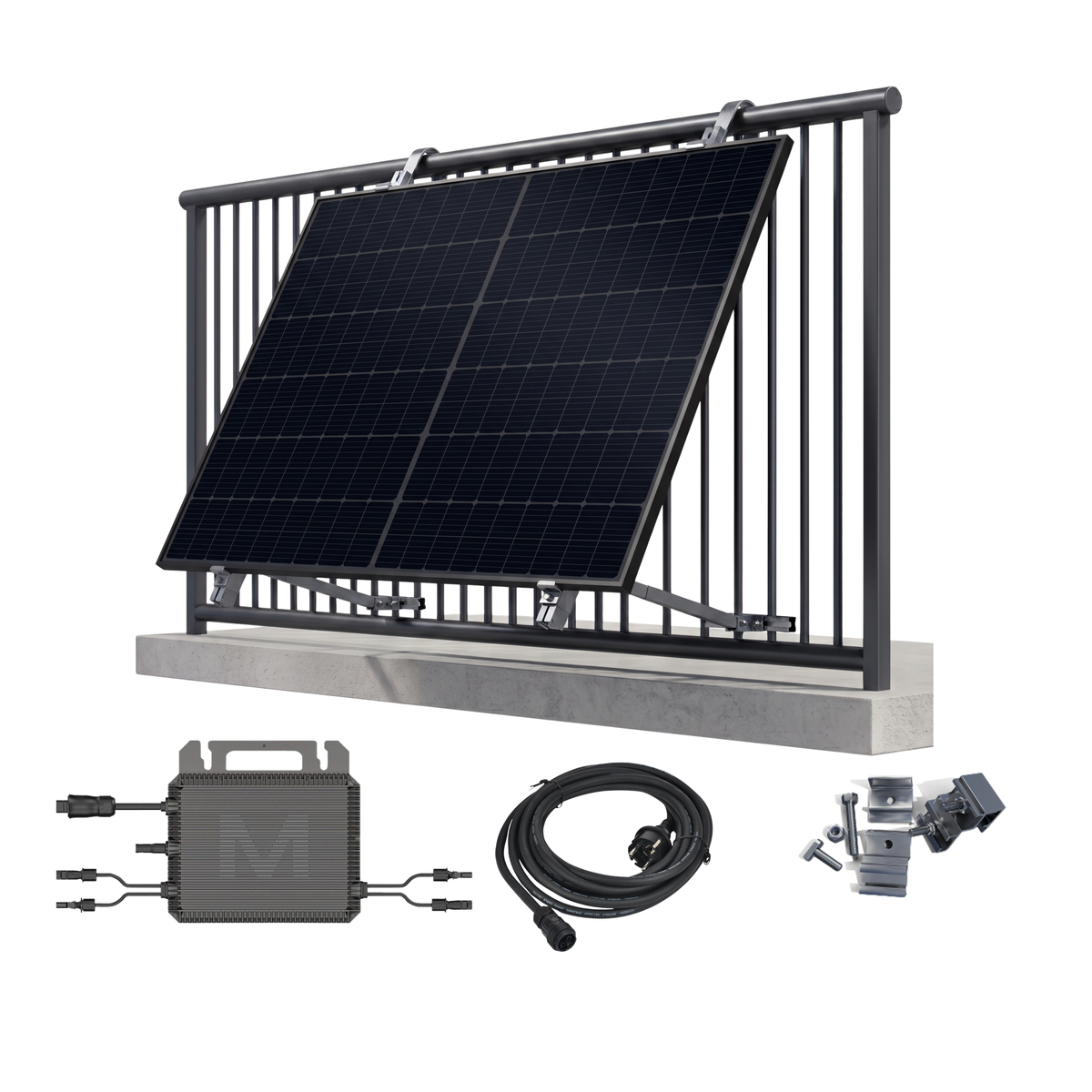
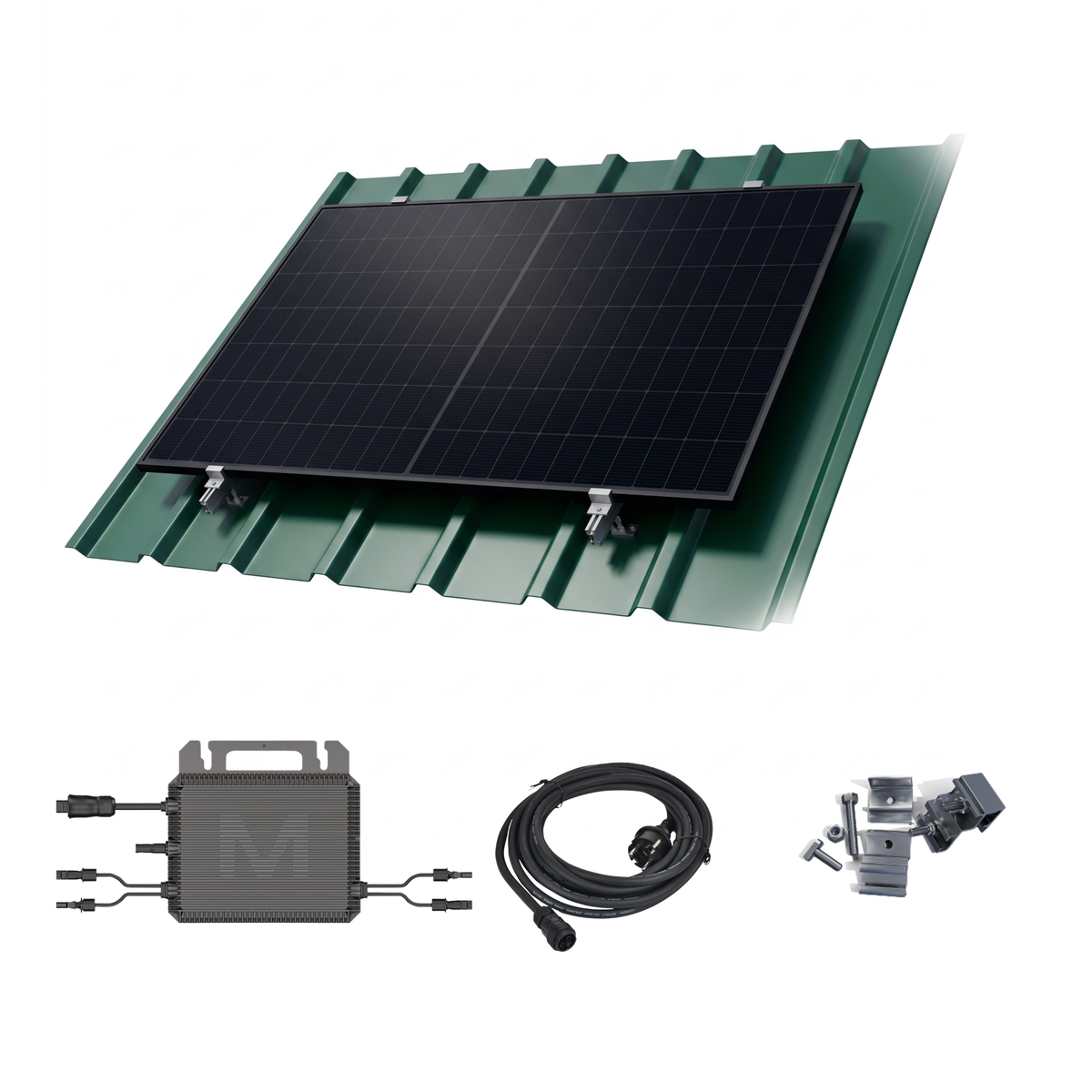
Allowed in Great Britain for complete kits that meet the government's Interim Product Specification. Limits: 800 VA and 3.5 A into the socket, and 2,000 W of panels. Up to four panels with no more than two in series, and at most 120 V DC. The kit has a moulded UK plug with a fuse of up to 5 A. Extension leads, multi-way adaptors and RCD adaptors are not allowed. One kit per home.

Other solar kits

Anything larger than a plug-in kit is a standard solar installation, hardwired by a qualified installer to the IET Wiring Regulations (BS 7671). So is any system with a battery. The G98 notification route covers up to 16 A per phase, which is about 3.68 kW on a typical single-phase home. Above that, G99 rules apply and the network operator must approve the system first. Installers usually provide MCS certification, which most suppliers require before they pay for exported power.

Feed-in compensation

Surplus power flows into the grid automatically. It is normally unpaid. Most suppliers require an MCS certificate before they pay under the Smart Export Guarantee (SEG), and a self-installed kit doesn't have one. Some suppliers may still offer an export tariff without it, so ask yours. You don't need a special meter or a zero-export device. Most of the value comes from using the power yourself while it is generated.

The legal basis for plugin solar in United Kingdom

The main law is SI 2026/848, the Plugs and Sockets etc. (Safety) Regulations 1994 and Electricity Safety, Quality and Continuity Regulations 2002 (Amendment) Regulations 2026. It defines a "plug-in microgenerator" as a device that turns sunlight directly into electricity, with an AC output of no more than 800 W. Such a device must comply with the Plug-in Solar Device Interim Product Specification rather than the usual British Standard requirements. SI 2026/848 was made on 16 July 2026 and came into force on 27 August 2026. The rule on connecting and using a kit applies in Great Britain only. The Department for Energy Security and Net Zero (DESNZ) published version 2.0 of the specification in July 2026. It is based on Germany's DIN VDE V 0126-95.

Ofgem approved a change to the grid connection rule G98 on 11 August 2026. The change creates a plug-in category of up to 800 W, limits each home to one device, and lets households notify the network operator themselves.

In England, SI 2026/896 lets most homes install plug-in solar without planning permission. Kits must not be fixed to wooden walls, balconies or enclosures, or to timber-clad exteriors. Conservation areas have extra restrictions. Scotland and Wales have their own planning rules and have not made equivalent changes. This page is guidance, not legal advice.

Certification and registration requirements in United Kingdom

Before you buy, check that your exact model is listed as compliant on the ENA register. Manufacturers must type-test each kit to G98 and register it on the ENA register before selling it. Being submitted for registration does not count as compliance. You can check the public register on ENA Connect Direct: open the Live Device Register, then filter by Type: Plug-in Solar. Required product standards include BS EN IEC 62109-1/-2 and BS EN 62116 for the inverter, and BS EN IEC 61730 for the panels. Outdoor parts must be at least IP55. The kit must include a mounting system backed by structural calculations, and a label for your fuse box.

You must register the kit before you use it, on the UK Plug-in Solar Registration website (link via your network operator). You need your name, your postcode and the kit's make and model. After registering you get an on-screen confirmation, but no email. You must also tell your network operator when you take the kit out of use. Registration is free.

How to handle your utility in United Kingdom

The registration website passes your details to your local Distribution Network Operator (DNO). You don't need approval, and your energy supplier doesn't need to change anything. Before you plug in, check your fuse box (consumer unit). It should have switches labelled RCD, RCBO or MCB. If it still has old rewireable fuses, don't install the kit.

Plug the kit directly into a socket on a circuit that does not also supply lights or fixed appliances such as a boiler or cooker. To find out which sockets share a circuit, switch off one circuit breaker at a time. An outdoor socket must be weatherproof and fitted by a qualified electrician. Ask an electrician if your panels total more than 960 W. While the kit is generating, test your circuit breaker protection every six months by pressing the test button.

If you already have rooftop solar, all your generators together must stay within 16 A per phase. Above that, G99 rules apply. Tell your home insurer. Full checklist: Energy Saving Trust plug-in solar checklist.

Are there any incentives for plugin solar in United Kingdom?

There are no grants or subsidies for plug-in kits. VAT relief on energy-saving materials only applies when a business installs them. It is 0% until 31 March 2027 and 5% after that. Materials sold without installation carry 20% VAT, so a kit you buy and fit yourself is charged 20%. Exported power is normally unpaid (see feed-in). The Energy Saving Trust estimates savings of about £70–100 a year.

Contribute to this overview

While we researched each country's regulation diligently, we might have missed a recent update or got something wrong. If you have more updated information, please contribute to this overview and message us.

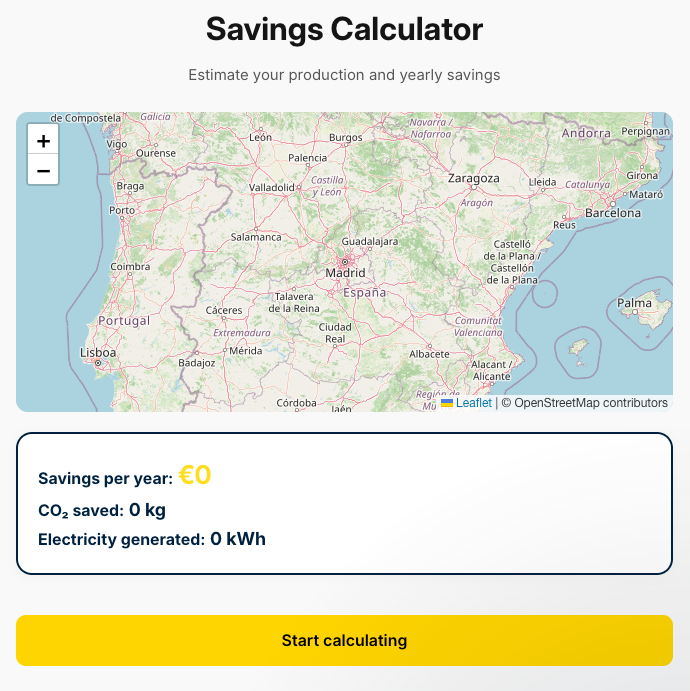
Savings Calculator

Estimate your production and yearly savings

Savings per year: €0

CO₂ saved: 0 kg

Electricity generated: 0 kWh

Find your Robinsun solar kit

Where will you install it?

Choose the mounting location for your kit.

How many panels?

Pick the kit size that fits your needs.

Disclaimer: In Spain, outputs above 800 W require grid certification (CIE) to export surplus. We can handle it for you.