
Skip to content

Cart

Your cart is empty

Plugin solar in Luxembourg

Yes. In Luxembourg you can plug a small solar kit into a household socket yourself, as long as the inverter's output is no more than 799 W. This rule is set in the technical connection conditions (TAB-BT) used by all Luxembourg grid operators and approved by the regulator, ILR. Below 0.8 kW you don't need to register the kit or ask your grid operator for permission. The kit must have built-in grid protection, the circuit must have a residual-current device (RCD), and the panels must be CE-marked and securely fixed. Electricity you don't use flows into the public grid unpaid. Kits this small don't qualify for Klimabonus subsidies.

General overview for Luxembourg

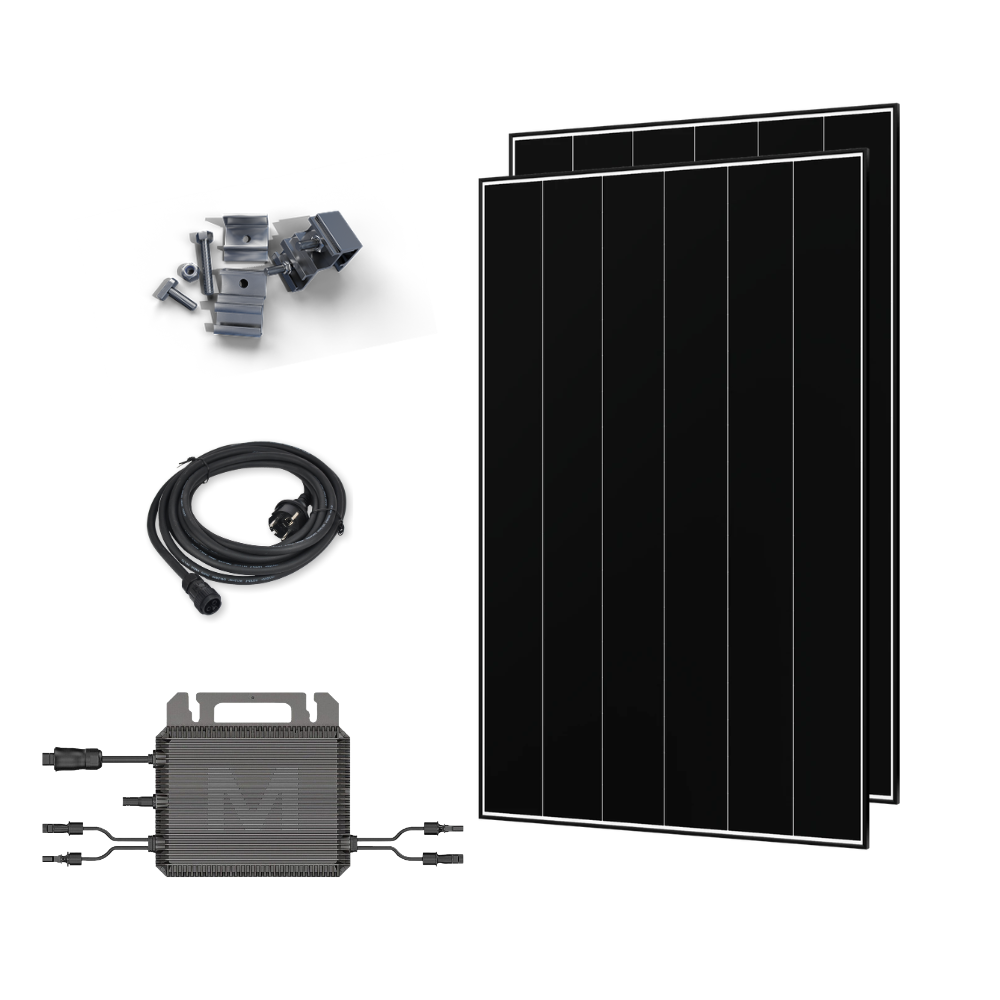
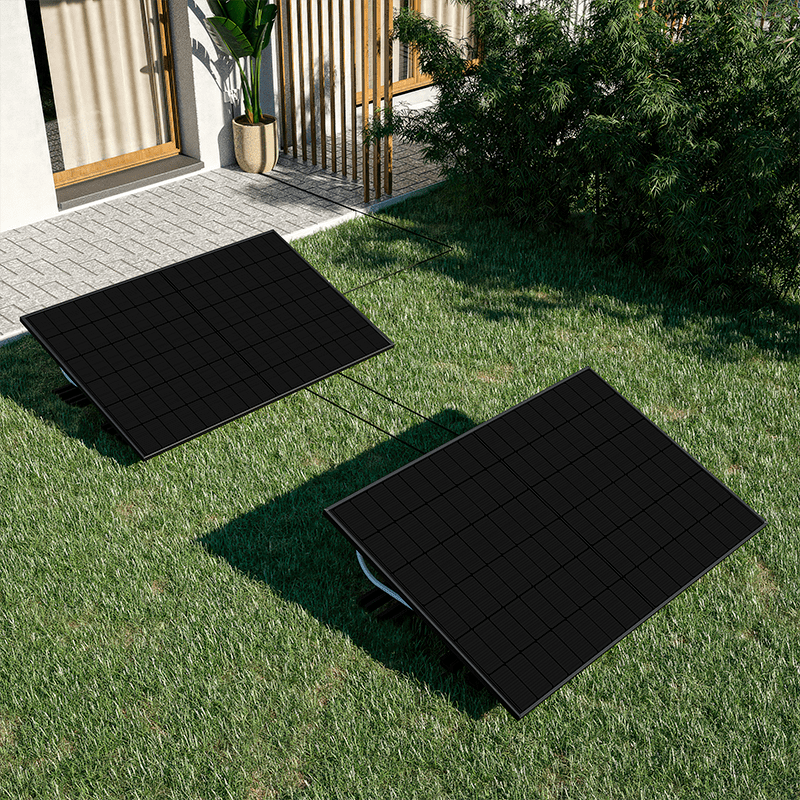
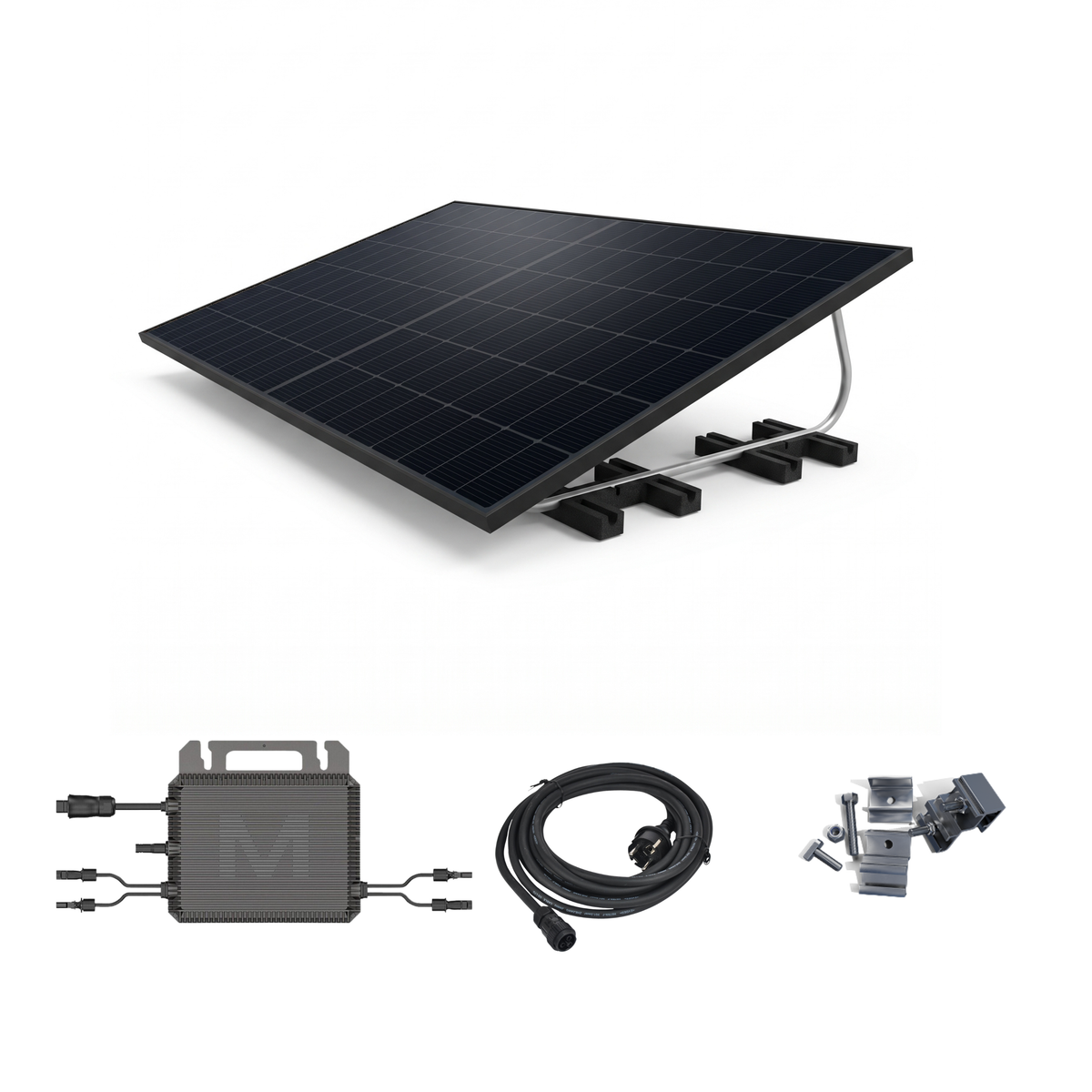
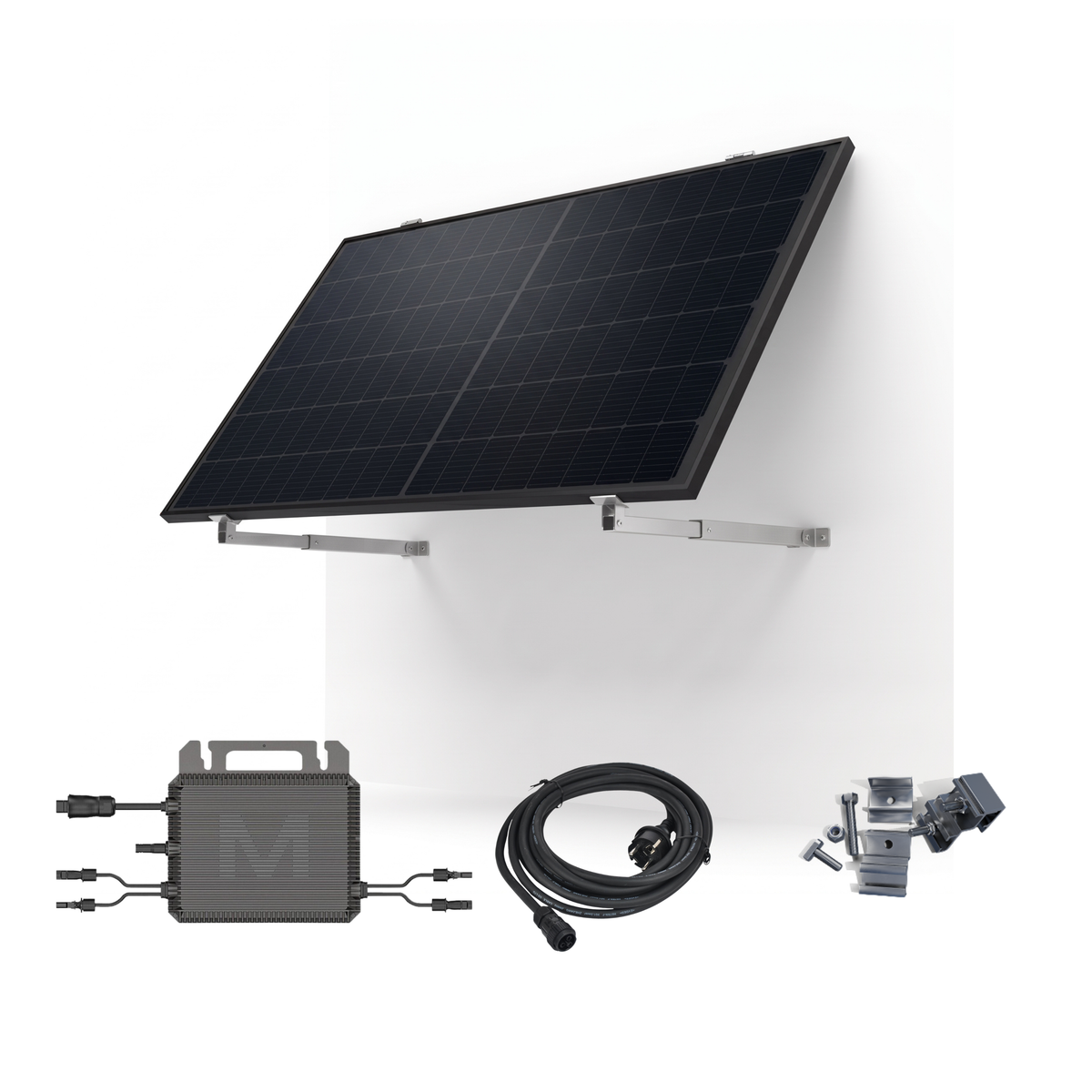
Plugin solar kits: 800 W

Allowed. You can connect one kit per home, with an inverter output of up to 799 W, plugged into an existing circuit. There is no limit on panel (DC) power. A normal Schuko socket is allowed. A Wieland energy socket is recommended but not required. The circuit needs an RCD, and grid operators recommend having an electrician check it first. Ask your municipality whether you need a permit.

Other solar kits

Above 799 W, a kit counts as a standard solar installation. Systems from 0.8 kW up to 30 kW must be declared to your grid operator, which is normally done by a licensed electrician. Larger systems need approval. Systems of 2 kWp or more can get Klimabonus subsidies, and you pay 3% VAT when a professional supplies and installs them.

Feed-in compensation

Surplus electricity from a plug-in kit flows into the public grid but you are not paid for it. For kits up to 799 W there is no export limit and no zero-export device is required. Selling surplus, or sharing it in an energy community, is only possible with a declared standard installation set up with your grid operator.

The legal basis for plugin solar in Luxembourg

Luxembourg has no specific plug-in solar law. The rules come from the technical connection conditions for the low-voltage grid (TAB-BT, version 2021.1, with additions 2023.1 from October 2023). All Luxembourg grid operators apply these conditions. The regulator, ILR, approved them under Article 5(2) of the amended law of 1 August 2007 on the organisation of the electricity market. Chapter 12 allows a mini-PV plant with integrated grid protection (ENS/NA protection) of up to 799 W on one final circuit per home in a residential building. Chapter 2 makes declaration mandatory only from 0.8 kW.

In apartment buildings, the total of all solar and storage systems feeding in at the building's grid connection must stay at or below 30 kVA. Without central protection, that is about 33 kits of 799 W, or fewer if the building already has rooftop PV. The conditions also refer to the standards HD 60364-5-551 and DIN VDE V 0126-95. If texts conflict, the German version applies. The national energy agency, Klima-Agence, confirms the 799 W limit: Klima-Agence – producing electricity on your own balcony. This page is guidance, not legal advice.

Certification and registration requirements in Luxembourg

Kits below 0.8 kW don't need to be registered or approved, and Creos has confirmed this to the press. The panels must carry the CE mark. The inverter must have integrated grid protection that switches it off if the grid fails. In practice this is shown by a VDE-AR-N 4105 certificate, the German rule that Luxembourg's grid operators follow. Your home circuit must meet current safety standards, in particular with a residual-current device (RCD). Grid operators recommend having a licensed electrician check that the circuit can safely take power fed in.

Batteries are treated separately. Batteries without grid export up to 12 kVA must be declared to the grid operator. Batteries that feed into the grid must be declared and approved. If your kit includes storage, ask your grid operator before connecting it.

Mount the panels firmly so they can't be torn off in a storm. Ask your municipality whether you need a permit for the installation.

How to handle your utility in Luxembourg

For a kit of up to 799 W you don't need to contact your grid operator. Luxembourg has five grid operators: Creos (most of the country), Sudstroum (Esch-sur-Alzette), Electris, and the towns of Diekirch and Ettelbruck. Your electricity bill shows which one serves your home.

In apartment buildings, talk to your building manager (syndic) first. The total of all kits and any rooftop system at the building's grid connection must not exceed 30 kVA. If it would, everything must be planned as one installation and a connection request filed with the grid operator. Luxembourg has no specific law giving tenants or co-owners a right to install a kit, so check with your landlord or co-owners.

If you install more than 799 W, you must declare the system, and above 30 kW it needs approval. Since the law of 9 June 2023, if the grid operator doesn't reply within one month, you may connect. Klima-Agence offers free advice on 8002 11 90.

Are there any incentives for plugin solar in Luxembourg?

None for self-installed kits. Klimabonus solar subsidies only apply to systems of 2 kWp or more, so typical balcony kits are not eligible. VAT is 3% only when a business supplies and installs solar panels on or near a home. A kit you buy and install yourself is charged the standard rate of 17%, as are batteries.

Some municipalities run their own schemes. For example, Esch-sur-Alzette's Solar Esch pilot (running until 2027) offered residents one panel for €150 or two for €250, including installation. Ask your commune, or use the Klima-Agence subsidy simulator, to see what applies to you.

Contribute to this overview

While we researched each country's regulation diligently, we might have missed a recent update or got something wrong. If you have more updated information, please contribute to this overview and message us.

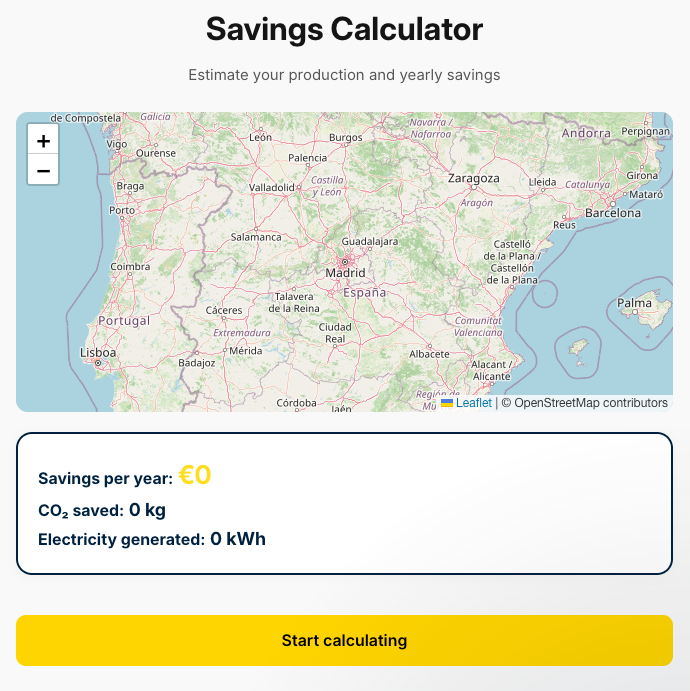
Savings Calculator

Estimate your production and yearly savings

Savings per year: €0

CO₂ saved: 0 kg

Electricity generated: 0 kWh

Find your Robinsun solar kit

Where will you install it?

Choose the mounting location for your kit.

How many panels?

Pick the kit size that fits your needs.

Disclaimer: In Spain, outputs above 800 W require grid certification (CIE) to export surplus. We can handle it for you.