Skip to content

Cart

Your cart is empty

Plugin solar in Estonia

Yes. In Estonia you can use a plug-in solar kit if its total output is below 0.8 kW (in practice 790 W) and you register it with your grid operator first. Elektrilevi, the country's largest grid operator, calls these "nano-production devices". Registration is free and done online in Elektrilevi's self-service. You connect the kit yourself following the manufacturer's instructions, with no electrician. By default the electricity is for your own use only, so nothing may flow back to the grid. If you want to send surplus to the grid, Elektrilevi replaces your meter for a fee. Larger systems need a full producer connection. If another company runs your local grid, check its rules.

General overview for Estonia

Plugin solar kits: 800 W

Allowed. The total output of all plug-in devices at one connection point must stay below 0.8 kW, so up to 790 W of inverter output. Panel (DC) power is not limited by the rules. Connect the kit as the manufacturer describes; no electrician is needed. Register it with Elektrilevi before switching on and wait for their confirmation.

Other solar kits

From 0.8 kW you need a producer connection with Elektrilevi. For self-use only (no export), the connection fee is €615.04. With export (micro-producer, up to 5 kW single-phase or 15 kW three-phase), the fee is based on actual costs. Expect an electrician, an approved inverter, a settings protocol and a new network contract before you switch on.

Feed-in compensation

By default no export is allowed and your existing meter stays. Any electricity that briefly flows back to the grid is counted as consumption. To export up to 0.79 kW, order a meter replacement from Elektrilevi (paid service). To be paid for surplus, sign a sales contract with an electricity seller. There is no fixed feed-in tariff, and midday summer prices are often very low.

The legal basis for plugin solar in Estonia

Estonia has no specific law on plug-in solar. The rules come from the standard network-contract terms of Elektrilevi, the largest distribution grid operator, which the Competition Authority (Konkurentsiamet) approves. Since 1 March 2022 these terms include a "nano-production device" (nanotootmisseade): a generating device or group of devices with a total maximum output below 0.8 kW.

The current terms (low voltage up to 63 A, in force since 1 October 2024, point 4.8.2) say you register the device in self-service and, by default, may not feed electricity into the grid. Elektrilevi's separate terms of use for nano-production devices add that you connect the device according to the manufacturer's instructions, and that it must meet Estonian and EU product rules. Elektrilevi's technical conditions for small generators (Type A, in force since 1 June 2023) explicitly do not apply below 800 W.

Larger producers fall under the Electricity Market Act (elektrituruseadus) and the EU grid code (Regulation 2016/631). Smaller grid operators set their own terms. This page is guidance, not legal advice.

Certification and registration requirements in Estonia

The kit must comply with Estonian law and EU product rules. Look for a CE-marked inverter with a declaration of conformity and automatic disconnection during power cuts (anti-islanding), because you must make sure your installation is separated from the grid during an outage. The grid-code test standard EVS-EN 50549-1 formally applies only from 800 W.

Before first use, log in to Elektrilevi's self-service:

  1. Open your network contracts.
  2. Choose the consumption point.
  3. Fill in the device data.

Elektrilevi reviews the request within 4 business days, charges no fee, and sends an amended network contract with a confirmation. Only then may you use the device. Report any later change in output, or when you stop using it, the same way. All nano devices at one connection point together may not exceed 0.79 kW. If your connection point already has a micro-producer or producer contract, apply to change those terms instead. Details: Elektrilevi – nano-producers.

How to handle your utility in Estonia

Most Estonian homes are on Elektrilevi's grid. If your network contract is with another operator, ask them whether they accept small plug-in devices and how to register.

With Elektrilevi, register in self-service and wait for the confirmation. On a three-phase connection, plug the kit into a socket on a phase that has consumption at the same time. Otherwise your bill won't fall and the power simply flows to the grid.

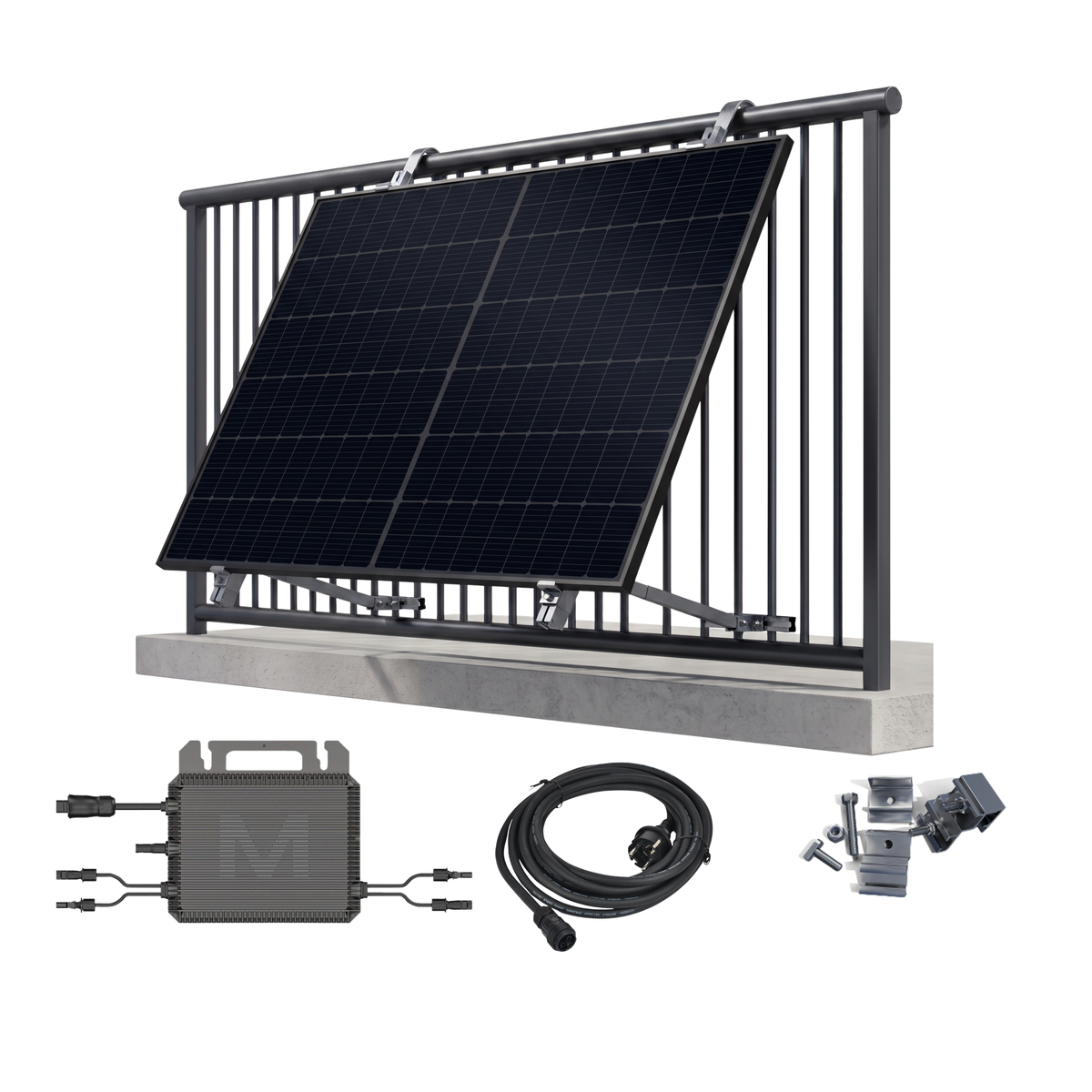
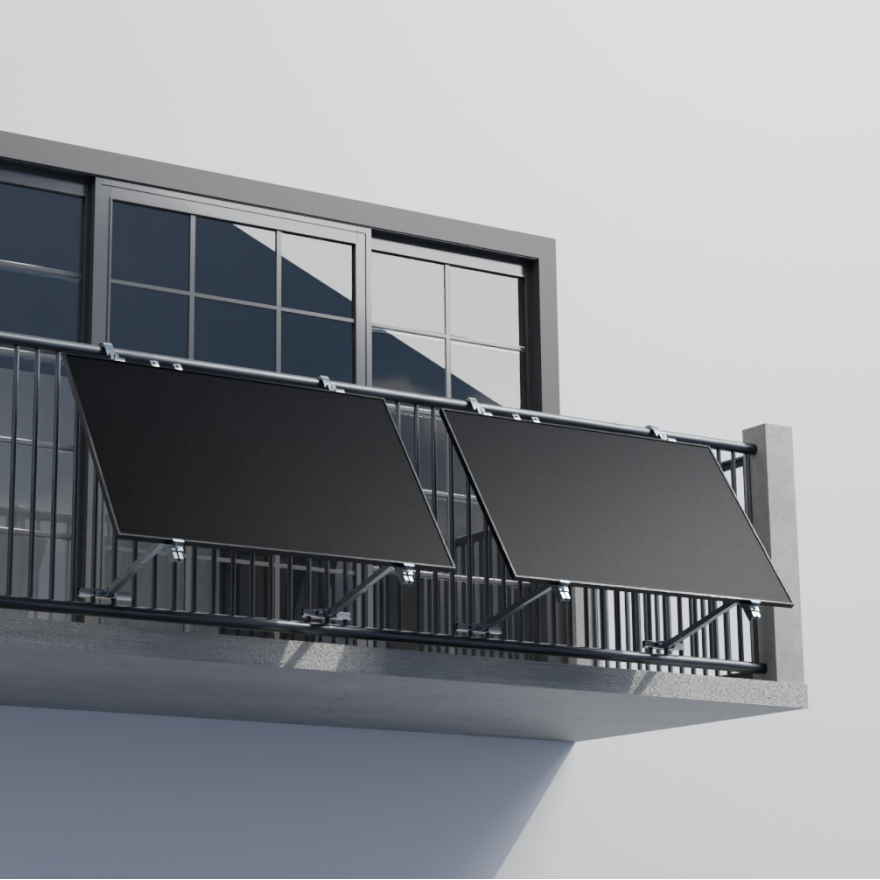
In apartment buildings where the housing association holds the network contract, the 0.79 kW limit applies to the whole building, and the association must agree terms for anything more. Ask your association before fixing panels to a façade or railing.

If you produce or export more than agreed, Elektrilevi charges an extra network fee of three times your package's monthly fee. To export, order the "meter replacement" service. For more power, submit a producer connection application: Elektrilevi – connecting as a producer.

Are there any incentives for plugin solar in Estonia?

None currently for plug-in kits. Panels, inverters and batteries carry the standard 24% VAT (since 1 July 2025), with no reduced rate. The per-kWh renewable support only covers plants that produced by the end of 2020. State solar grants for small homes and apartment buildings (KredEx/EIS) are closed; check eis.ee for new rounds. Registering as a nano-producer is free, but exporting needs a paid meter replacement.

Contribute to this overview

While we researched each country's regulation diligently, we might have missed a recent update or got something wrong. If you have more updated information, please contribute to this overview and message us.

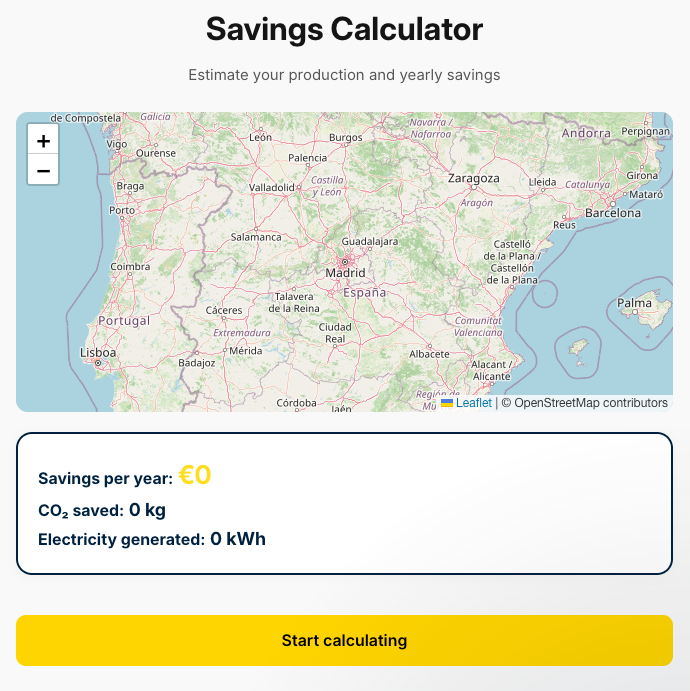
Savings Calculator

Estimate your production and yearly savings

Savings per year: €0

CO₂ saved: 0 kg

Electricity generated: 0 kWh

Find your Robinsun solar kit

Where will you install it?

Choose the mounting location for your kit.

How many panels?

Pick the kit size that fits your needs.

Disclaimer: In Spain, outputs above 800 W require grid certification (CIE) to export surplus. We can handle it for you.